
15 July 2026
Renovating a Kitchen in a Listed Property in Bath
Bath is one of the finest Georgian cities in the world, and that heritage sits right inside people’s homes. If you are planning a kitchen in a period property here, you are working with high ceilings, original features and solid walls that have stood for two centuries or more. It is also a place where the rules matter: Bath is a World Heritage city, and Bath and North East Somerset has more than twice the national average of listed buildings. Renovating a kitchen in one of these homes is absolutely doable, and the results can be stunning, but it pays to understand what is protected, what needs permission, and how to fit a modern kitchen without harming the character you fell for. Here is how we approach it.
Listed or Just Period? Knowing What You Have
The first thing to pin down is whether your home is actually listed, or simply old. A period property is any home from an earlier era - Georgian, Victorian, Edwardian - while a listed building is one formally recognised for its special interest and legally protected. The difference completely changes what you can do to the kitchen.
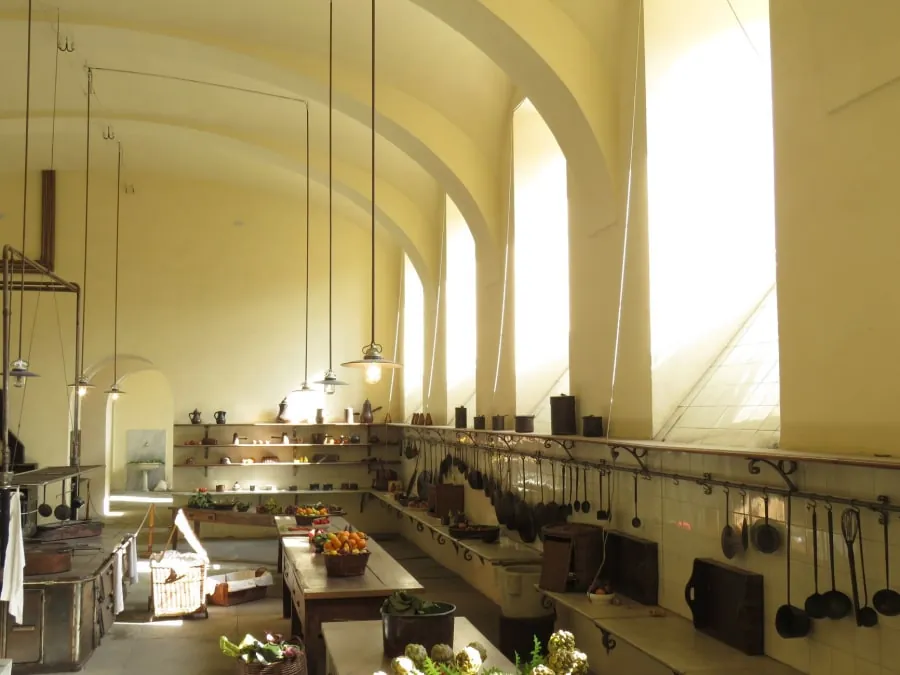
You can check a property’s status through the council or Historic England’s register, and the Bath Preservation Trust is a useful local starting point. If you are planning anything beyond a like-for-like refit, our kitchen renovation service can help you scope the work with the property’s age in mind from day one.
What Listed Building Consent Actually Covers
This is where a lot of Bath homeowners get caught out. In a listed building, the protection applies inside as well as outside. Consent is needed for any work of alteration or extension that would affect the character of the building - and in a kitchen that can mean removing an internal wall, altering an original fireplace or chimney breast, replacing historic doors or panelling, or changing windows.
It is worth being clear-eyed about this: carrying out unauthorised work to a listed building is a criminal offence, not just a planning slip. That sounds alarming, but in practice it simply means checking first. The council’s own listed building consent checklist sets out what a submission needs, and many kitchen projects sail through once they are put together properly.
Working With Bath and North East Somerset Council
If consent is needed, the process runs through Bath and North East Somerset Council. The sensible order is to speak to them - or a heritage-aware designer - before finalising the design, so you are not redrawing plans after the fact. A conservation officer will look at how the proposal affects the building’s significance, and a scheme that keeps original features tends to have a smoother ride.
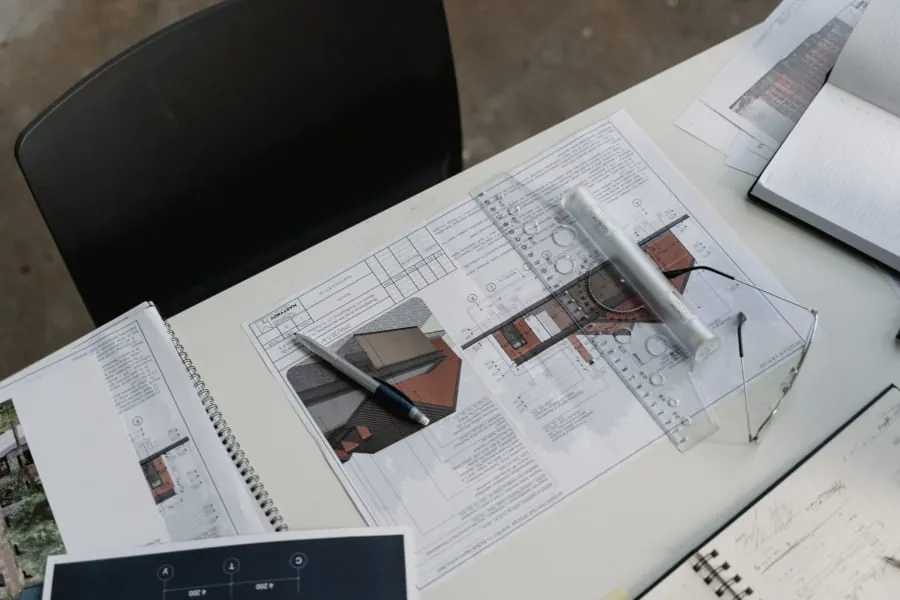
For anything structural, you will usually need measured drawings and sometimes sections at a detailed scale. The council’s guidance on whether you need planning permission or consent is the right first stop. Build the approval time into your schedule - it is the single most common reason a period kitchen slips, and it is entirely avoidable with a bit of forward planning.
Across the enquiries we handle in the central Bath conservation area, a meaningful share involve listed homes where consent needs checking before design work begins - so we always raise it at the very first conversation.
Keeping the Character: Period Features Worth Protecting
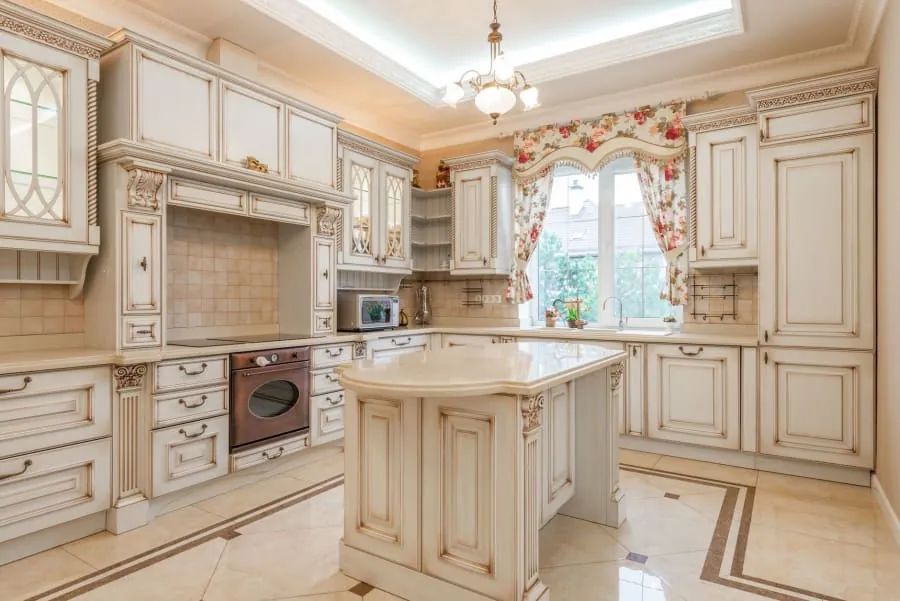
The features that make a Bath period kitchen special are exactly the ones worth designing around. Original cornicing, ceiling roses, sash windows, flagstone or boarded floors, and cast-iron fireplaces all add value and warmth. Ripping them out to force in a standard layout is almost always a mistake, and in a listed home it can be one you are not allowed to make.
A better approach is to let the room lead. Shaker cabinetry, painted timber and natural stone worktops sit comfortably alongside Georgian proportions. Where a wall is bowed or a floor slopes - and in a two-hundred-year-old house, they will - units are scribed and packed to follow the room rather than fight it. That craft is the difference between a kitchen that looks fitted and one that looks like it was always there.
Fitting a Modern Kitchen Into an Old Home
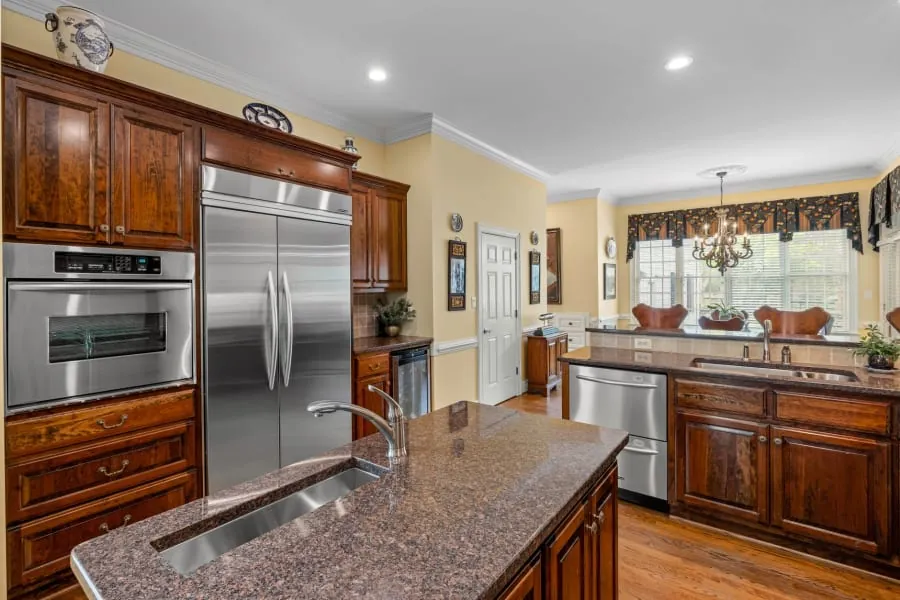
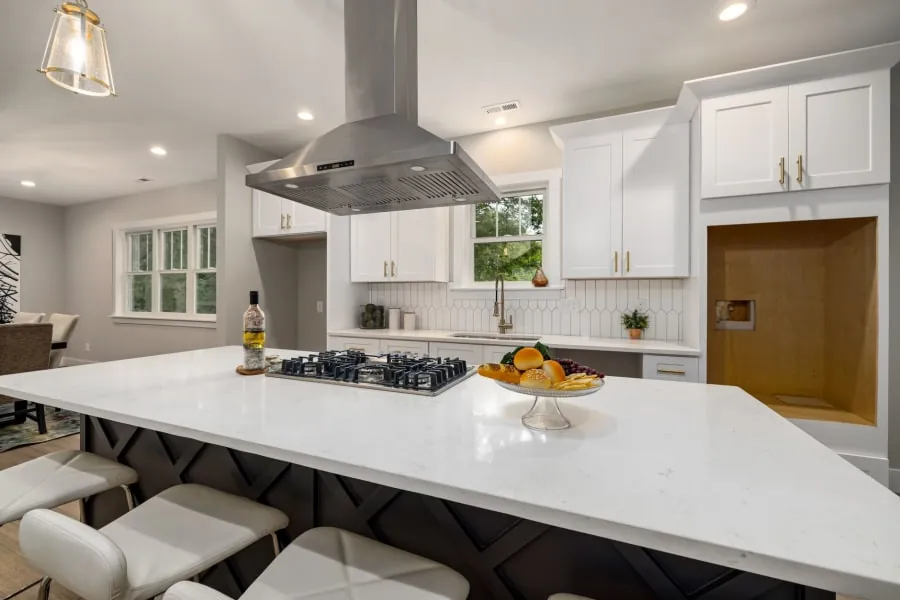
Wanting original character does not mean giving up modern function. Induction hobs, integrated appliances, boiling-water taps and clever storage all work beautifully in period rooms - they just need thoughtful integration. Appliances can be concealed behind cabinet fronts, and services routed carefully to avoid disturbing historic fabric.
One technical point that matters in Bath’s older homes: solid walls need to breathe. Many were built with lime plaster and no cavity, so sealing them with modern cement or gypsum can trap moisture and cause damp over time. Using breathable materials where it counts protects both the building and your new kitchen. It is the sort of detail that never shows in a brochure but makes all the difference a few winters down the line.
The Extra Prep a Period Kitchen Needs
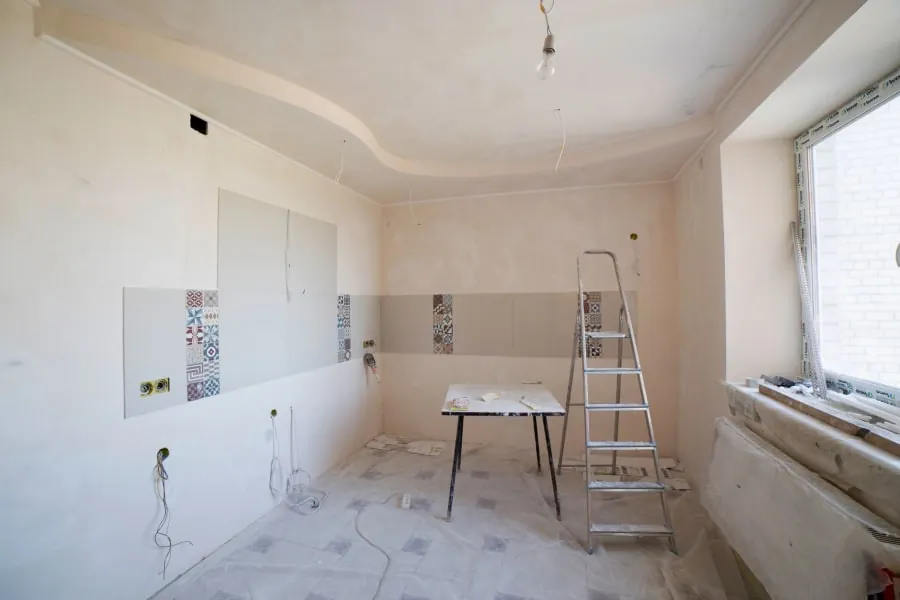
Period homes ask for more groundwork than modern ones, and being ready for it keeps the budget calm. Floors often need levelling, solid walls may need patching or replastering, and wiring and plumbing that predate current regulations usually need updating as part of the job. None of it is dramatic, but it all takes time.
This prep is also the biggest driver of cost differences between an old home and a new one, which we cover in our guide to how much a new kitchen costs in Bath. The honest advice is to expect a few surprises behind the plaster and hold a small contingency - period renovation rewards planning far more than it rewards optimism.
Choosing a Fitter Who Understands Period Homes
Not every kitchen fitter is comfortable in a Georgian townhouse, and it shows. The skills that matter here - scribing to wonky walls, respecting historic fabric, knowing when consent is needed and using breathable materials - are learned on this kind of property, not on a new-build estate.
When you are choosing who to work with, ask what period projects they have done locally and how they handle consent and prep. A good team will talk you through all of it before a single unit is ordered. If you have a listed or period home in Bath and you are ready to start planning, get in touch for a free quote and we will walk the room with you and set out a clear, realistic plan.
Frequently Asked Questions
Do I need listed building consent to renovate a kitchen in Bath?
If your home is listed, you need listed building consent for any work that affects its character - and that can include internal changes like removing walls, altering fireplaces, or replacing historic joinery. A straightforward swap of modern units in a room with no historic features often does not, but the safe move is always to check with Bath and North East Somerset Council before you start. Unauthorised work to a listed building is a criminal offence.
Is a kitchen in a conservation area treated the same as a listed one?
No. In a conservation area the controls mainly cover external changes and the look of the area, so an internal kitchen refit is usually fine. A listed building is protected inside and out, which is the key difference. Much of central Bath is both a conservation area and full of listed buildings, so it is worth confirming which applies to your property.
Can I have a modern kitchen in a period Bath home?
Yes. Plenty of Georgian and Victorian homes in Bath have sleek, modern kitchens - the trick is fitting them sensitively. That means scribing units to uneven walls, using breathable materials where the walls are solid, and keeping or carefully working around original features rather than ripping them out.
Why do period kitchen renovations take longer?
Older homes throw up more unknowns - uneven floors, solid walls, old wiring and plumbing, and sometimes consent to arrange. Add careful prep and the odd specialist material, and the timeline stretches beyond a modern room. Building that into the plan from the start keeps the project calm rather than rushed.