
15 July 2026
How to Choose a Kitchen Fitter in Bath
Choosing who fits your kitchen is arguably more important than choosing the kitchen itself. A beautiful kitchen fitted badly looks wrong within months, and in Bath the stakes are higher than most places: so many homes here are Georgian or Victorian, with walls that bow and floors that slope, and Bath and North East Somerset has more than twice the national average of listed buildings. A fitter who is brilliant on a modern estate can come unstuck in a 200-year-old townhouse. So it pays to vet carefully. Here are the checks to make and the questions to ask before you let anyone near your home, so you end up with a kitchen that is fitted to last.
Why Choosing the Right Fitter Matters in Bath
The difference between a good fit and a bad one is not always obvious on day one. It shows up later, when a worktop joint opens up, a cabinet sits proud of a bowed wall, or an appliance was never quite plumbed in right. Getting the right person from the start saves you that grief.
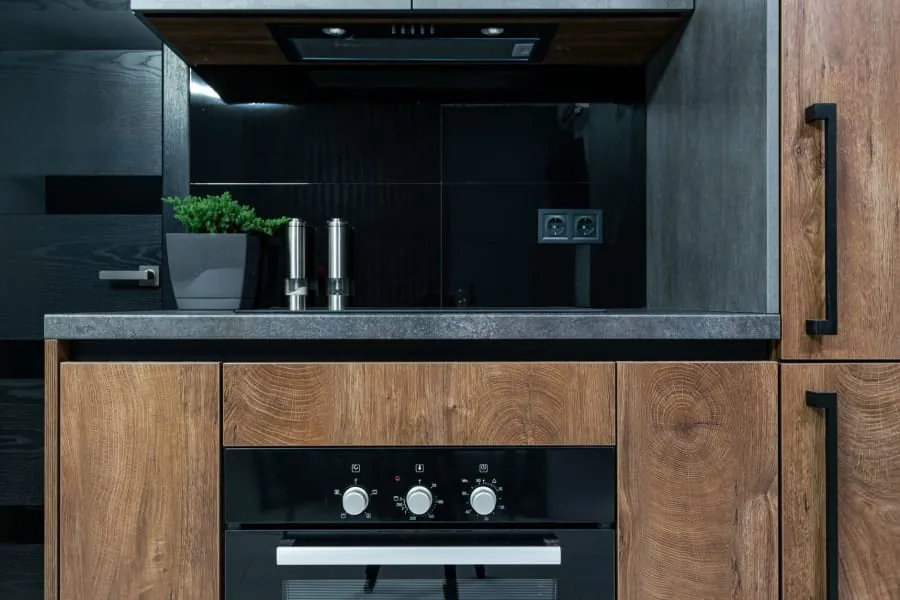
Bath adds its own demands. Period homes need patience and craft, hard water shapes the choice of taps and appliances, and central-city access can complicate a job before it even starts. A fitter who knows the local housing stock plans for all of that. Our own kitchen installation service is built around exactly these quirks, but whoever you choose, the checks below are the ones that matter.
Check They Are Insured and Accredited
Start with the non-negotiables. Any fitter working in your home should carry public liability insurance, and ideally belong to a recognised quality scheme. Membership is not just a badge - it usually means someone has checked their insurance, identity and standards on your behalf.

TrustMark, the only Government-endorsed scheme for trades in and around the home, vets insurance and trading practices and can offer insurance-backed guarantees on larger jobs. Schemes like Checkatrade run their own checks and let you read verified reviews. Ask which schemes a fitter belongs to, and do not be shy about asking to see their insurance certificate - a professional will expect the question.
Ask to See Local Work and References
Photos on a website are a start, but nothing beats seeing real finished kitchens and hearing from the people who live with them. A good Bath fitter will have recent local projects they can point to, and past customers who are happy to be asked how it went.
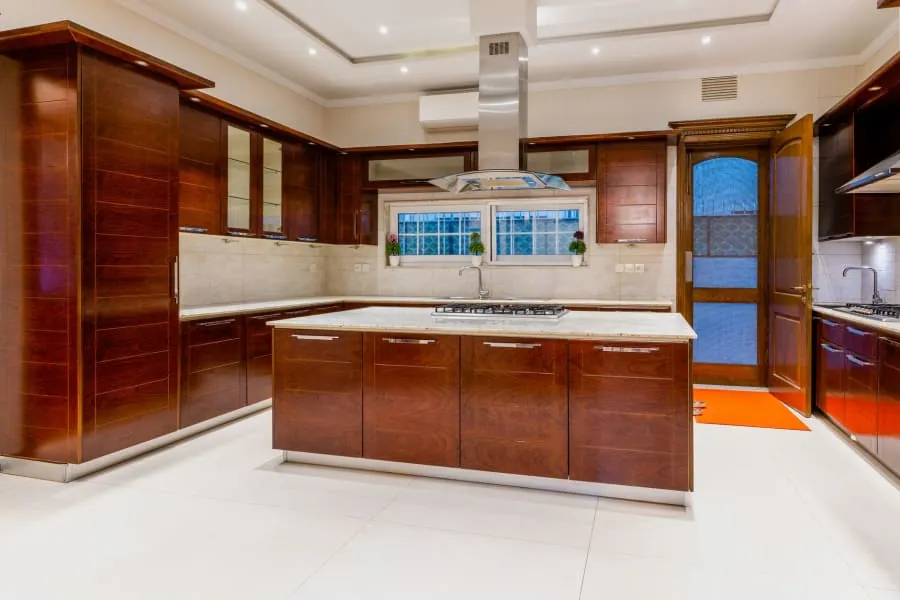
When you speak to a reference, ask the useful questions: did the work run to time and budget, how were problems handled, and would they use the fitter again? Local reviews carry extra weight because they reflect work on the same kind of homes you own. A fitter who goes quiet when you ask for references is telling you something.
Get a Detailed Written Quote, Not a Rough Figure
A phone estimate is not a quote. Insist on a written, itemised breakdown that separates units, worktops, appliances, labour and any prep work. That last part matters enormously in Bath, where levelling a sloping floor or replastering a solid wall can be a real chunk of the job.

A clear quote also tells you what is not included, so there are no awkward extras later. Getting three quotes is sensible - it shows you the going rate and lets you compare scope, not just price. If one is dramatically cheaper, assume something has been left out, because prep and finishing are usually where the corners get cut. Our guide to how much a new kitchen costs in Bath gives you a benchmark to judge quotes against.
Ask About Guarantees and Who Actually Does the Work
Find out exactly what is guaranteed and for how long. With a supply-and-fit job you should get guarantees covering both the products and the workmanship; with labour-only, the guarantee covers the installation itself. Get it in writing rather than as a friendly promise.
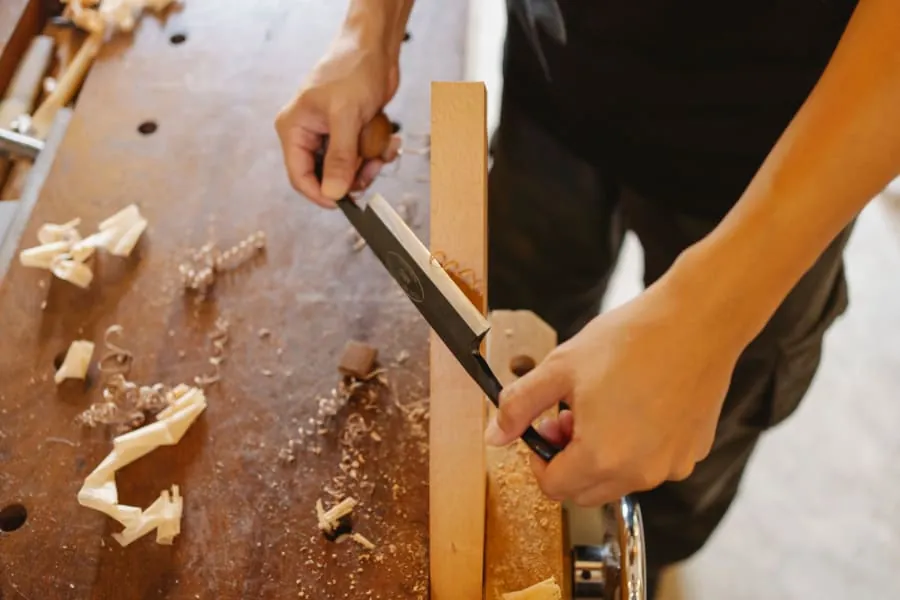
It is also worth asking who will physically be in your home. Some firms subcontract the plumbing, electrics and tiling, which is fine as long as those trades are qualified and coordinated. In a kitchen, the electrical work must be certified under the building regulations, so ask how that side is handled and signed off. A straight answer here is a good sign.
Make Sure They Understand Period and Bath Homes
This is the check most people forget, and in Bath it is one of the most important. Ask directly whether the fitter has worked on period properties, and what that involved. Scribing units to walls that are out of true, working around original features, handling old plumbing and wiring, and knowing when listed building consent applies are all skills learned on these homes, not on new-builds.
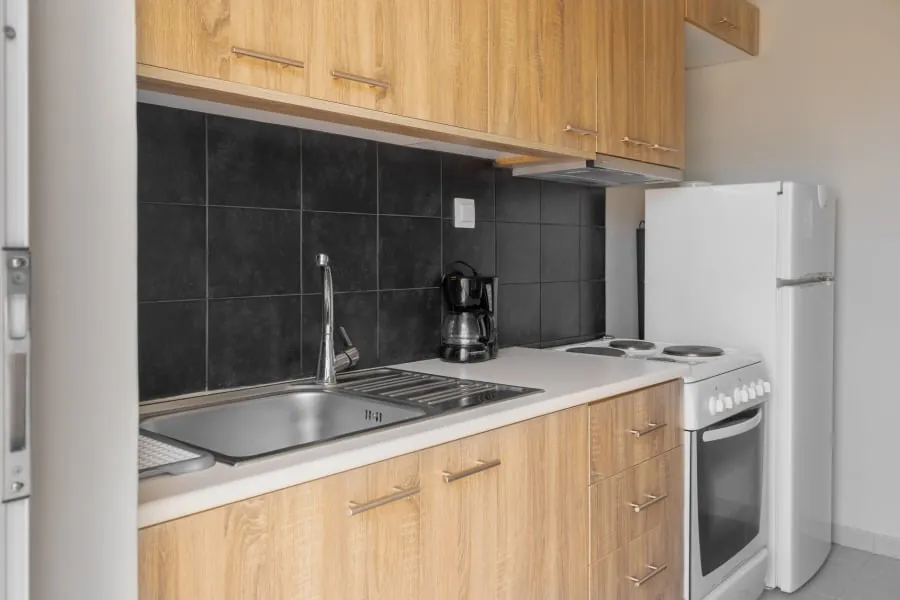
A fitter who understands Bath will also talk sensibly about hard water, access and parking, and the extra prep an older home needs - the same themes we cover in our guide to renovating a listed or period property in Bath. If they wave those concerns away, they probably have not met a Georgian back kitchen yet.
Questions to Ask Before You Sign
Bring a short list to your final conversation. A few that cut to the heart of it: Are you insured, and which quality scheme are you registered with? Can I see a recent local kitchen and speak to that customer? Is the quote fully itemised, including prep? What is guaranteed, and for how long? Who does the plumbing and electrics, and how is the electrical work certified? Have you fitted kitchens in period or listed Bath homes?
The answers tell you as much as the words - a good fitter welcomes the questions, a poor one gets defensive. For more general guidance on comparing tradespeople, Checkatrade’s advice on choosing a kitchen fitter is worth a read. When you are ready to compare quotes, get in touch for a free quote and we will happily answer every one of those questions up front.
Frequently Asked Questions
How do I know if a Bath kitchen fitter is trustworthy?
Check the basics before anything else: public liability insurance, a real trading address, and membership of a recognised scheme like TrustMark or Checkatrade. Then ask to see recent local work and speak to a past customer or two. A trustworthy fitter is happy to show you finished kitchens nearby and gives you a clear written quote rather than a vague figure over the phone.
What should a kitchen quote include?
A proper quote should be itemised - units, worktops, appliances, labour, and any prep like levelling floors or replastering - with a clear scope of what is and is not included. Watch for quotes that lump everything into one number, because that is where surprises hide. In a Bath period home especially, make sure prep work is spelled out rather than assumed.
Does it matter if a fitter has worked on period homes?
In Bath, yes, a great deal. Fitting a kitchen in a Georgian or Victorian home means scribing units to walls that are never straight, dealing with solid walls and old services, and knowing when listed building rules apply. A fitter who only works on modern estates can struggle with those quirks. Ask directly about period and Bath-specific experience.
Should I get more than one quote?
Yes - three is a sensible number. It gives you a feel for the going rate and lets you compare what each fitter includes, not just the headline price. Be wary of a quote that is far cheaper than the others, as it often means something has been left out or the work will be rushed. Compare like for like on scope, guarantees and timescales.