
22 August 2026
Kitchen Fitter Deposits in Bath: What's Normal and What Isn't
Almost every kitchen project in Bath reaches the same slightly uncomfortable moment. The design is agreed, the quote is on the kitchen table, and somewhere near the bottom is a line asking for money before anyone has picked up a tool. Most homeowners have no idea whether the figure in front of them is standard practice or a warning sign, and there is very little honest guidance out there. So here is what deposits and payment schedules actually look like in the kitchen trade, what a fair one looks like, and the handful of requests that should make you pause before parting with anything.
Why a Fitter Asks for Money Before Starting
A deposit is not about a fitter distrusting you. It covers real costs that land before the first unit is carried through your door. Kitchen furniture is built to order, so the moment your design is signed off the supplier wants paying, and a mid-range kitchen for a Bath semi can easily represent several thousand pounds of stock sitting in a warehouse with your name on it. Add worktop templating, a made-to-measure splashback or a specialist appliance and the outlay grows before a single day of labour has been earned.

There is a second reason, and it is about your diary as much as theirs. A booked slot is a fortnight of work a fitter has turned other jobs away for. A deposit is the thing that makes both sides serious about the date. When we quote for kitchen installation across Bath the payment schedule is written into the quote from the start, precisely so nobody is having this conversation on the morning the van arrives.
What Counts as a Normal Deposit
Split the job into two halves in your head - materials and labour - because they behave differently.

On materials, a deposit of 30 to 50 per cent when the order is placed is ordinary, and buying through a showroom often means paying the full furniture cost up front because the retailer will not release the order otherwise. On labour, the range is much lower. Many fitters ask nothing at all until day one, and 10 to 20 per cent is about the top of what is reasonable. A fitter asking for half the labour cost weeks before starting is asking you to fund their cash flow, which is a different thing entirely.
The quick test is whether the figure tracks a real commitment. If a fitter has ordered 6,000 pounds of units, a 3,000 pound deposit is explainable. If they are fitting a kitchen you bought yourself from a national retailer, they have bought almost nothing, and the deposit should reflect that.
The Schedule That Protects Both Sides
A single lump sum at the start is the worst structure for a homeowner, and a single lump sum at the end is the worst for a fitter. Staged payments tied to visible progress are the sensible middle. A schedule most Bath jobs can work to looks roughly like this: a deposit on order, a payment when strip-out and first fix are complete, a payment when the units are in and the worktop is templated, and a final balance after the snagging walkround.
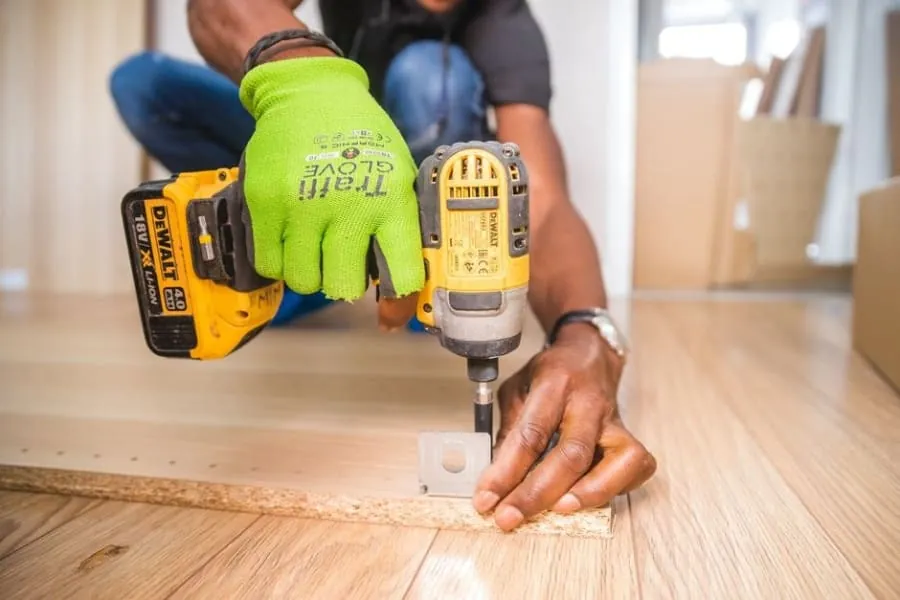
The final stage is the one people give away too easily. Doors settle and need adjusting, silicone needs a couple of days, and integrated appliances want testing properly rather than being switched on once. Holding 5 to 10 per cent until a walkround is done keeps everyone attentive to the details at the end of a job, which is exactly when attention tends to wander. Under the Consumer Rights Act 2015 the work has to be carried out with reasonable care and skill in any case, but a small retention saves you having to quote legislation at anyone.
Requests That Should Make You Stop
Most fitters in and around Bath are straightforward people running small businesses. The problems come from a thin layer of chancers, and they tend to behave in recognisable ways.

Cash only is the oldest one. So is a deposit demanded on the doorstep the same day, or a price that suddenly drops if you pay before the end of the week. An invoice with no company address and no landline tells you something too, as does a deposit asked for before any written specification has appeared, since paying against a verbal description leaves you nothing to hold anyone to. And treat “I need it today for materials” as a question rather than an explanation. Ask what is being ordered, from whom, and when it arrives. A fitter who has actually placed the order answers in about ten seconds.
A pattern of small extra payments requested mid-job, each one just before the next bit of work, is the other warning sign. It usually means money from your job is being used to finish somebody else’s. Our guide to the renovation mistakes that catch Bath homeowners out covers what tends to happen next.
How You Pay Matters as Much as What You Pay
The payment method decides what you can do if something goes wrong, and it costs nothing to choose well.

A credit card gives you the most cover. For anything costing more than 100 pounds and up to 30,000, Section 75 of the Consumer Credit Act 1974 makes your card provider equally responsible with the trader, so you can claim from the bank if the fitter folds or never returns. It applies to the deposit alone, which is a useful quirk: pay the first 500 pounds on a card and the whole contract is covered. Debit cards fall back on chargeback, which is a scheme rule rather than a legal right and usually has a time limit measured in months. Bank transfer gives you the least of all, and cash gives you nothing, not even proof you paid.
If a fitter refuses card payment entirely on a large job, that is worth a raised eyebrow rather than an outright no. Card fees are a genuine cost for a small firm. Meeting in the middle - a card deposit and transfers for later stages - is a reasonable compromise most people accept.
Get It in Writing First
Before any money moves, you want a document that says who is doing what, for how much, and when. Not a text message and not a number scrawled on the back of a design printout.
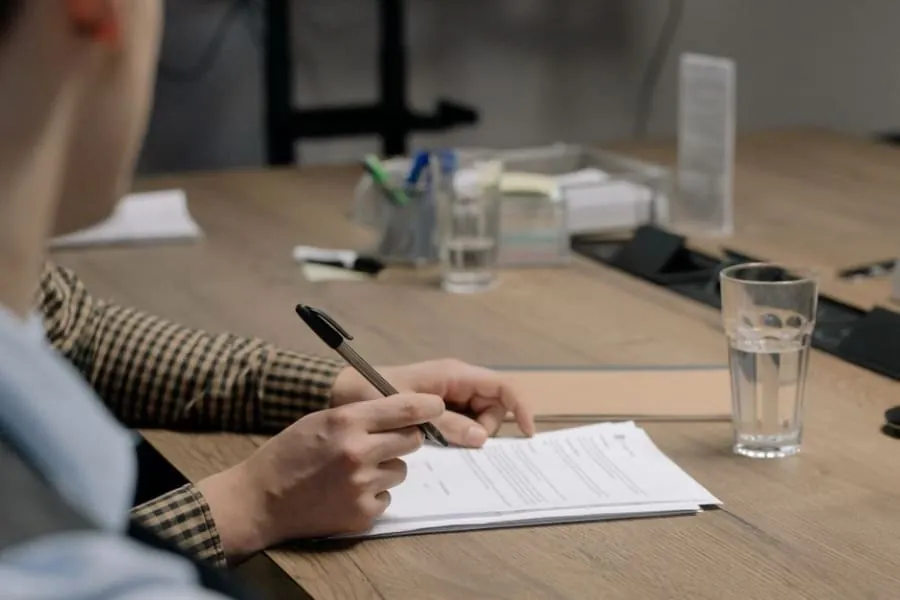
The list is short. Full business name and address. A line-by-line breakdown separating supply from labour. Whether the price includes VAT. Who removes and disposes of the old kitchen. Which trades are included, particularly the electrician and the gas work, since those need certifying. Start date and expected duration. The payment schedule with each stage described. What the guarantee covers and for how long. Checking a firm against a scheme such as TrustMark, the government-endorsed quality register, takes two minutes and tells you whether anyone has vetted their work and their finances.
Why Bath Quotes Get Structured a Little Differently
Fitting a kitchen here carries costs that a fitter in a town of modern estates never thinks about, and it shows up in how jobs are priced and staged.
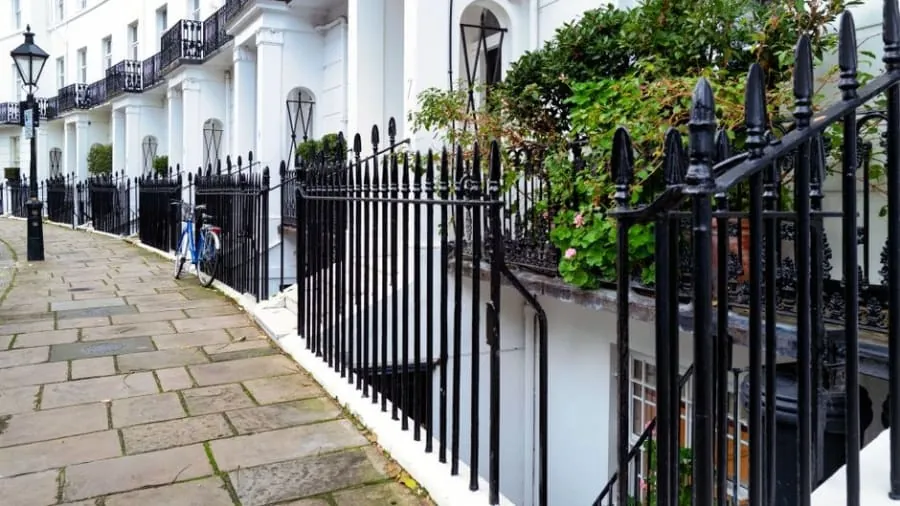
Carrying units down area steps into a lower-ground kitchen on a Georgian terrace takes two people and half a morning. Resident parking zones across the central streets, Bear Flat and parts of Oldfield Park mean a van cannot simply sit outside all week, and skip permits on a narrow street need arranging in advance. Bath’s clean air zone charges older commercial vehicles to enter the city centre, which quietly lands on the cost of every delivery. None of this should be hidden. It should appear as a line on the quote, which is a good sign in itself - a fitter who has priced the access properly has looked at your house rather than a spreadsheet.
Period properties add one more wrinkle. Where walls are lath and plaster or solid stone and nothing is square, a fitter may stage the payments around discovery rather than a fixed calendar, since nobody knows what is behind the old units until strip-out day. That is honest pricing, not evasion, as long as it is written down before you agree.
If you would rather not decode somebody else’s payment schedule, ask us for a written quote with the stages set out plainly. We will price the access, tell you exactly what is due and when, and put the guarantee in writing. Get a free quote for your Bath kitchen and we will bring the paperwork to you.
Frequently Asked Questions
How much deposit should a kitchen fitter in Bath ask for?
For labour, somewhere between nothing and about 20 per cent is the usual range, and plenty of fitters ask for nothing at all until the first day. Where the same company is supplying the units, expect a bigger figure - kitchen furniture is built to order, so 30 to 50 per cent of the supply cost paid on ordering is normal. What matters is that the deposit is roughly matched to what the fitter has to buy or commit to before starting.
Is it safe to pay a kitchen deposit by bank transfer?
It is common, but it gives you the least protection of any payment method. A credit card payment of more than 100 pounds makes the card provider jointly liable with the fitter under Section 75 of the Consumer Credit Act, which is the strongest cover available to you. If you pay a deposit by transfer, keep it small, keep the paperwork, and make sure the invoice shows a registered business address and phone number.
Should I pay the full amount when the kitchen looks finished?
Hold back a final payment until the snagging list is done, not until the units are up. Doors need adjusting after a week or so of use, silicone needs to cure, and appliances need testing under real conditions. A retention of five to ten per cent released after a final walkround is fair to both sides, and any established fitter will expect you to ask for it.
What can I do if a kitchen fitter takes a deposit and disappears?
Contact them in writing first and give a deadline, because a paper trail matters later. If there is no response, your route depends on how you paid: a Section 75 claim through your credit card provider, a chargeback request through your bank for a debit card, or the small claims track of the county court for amounts up to 10,000 pounds. Report the trader to Trading Standards through the Citizens Advice consumer service as well.