
14 August 2026
Kitchen Renovation Mistakes to Avoid in Bath
A kitchen renovation is one of the biggest and most expensive projects most people take on in their home, and it is unforgiving of mistakes. The wrong layout, a blown budget or a rushed fit can turn an exciting project into a stressful, costly one. In Bath, the stakes are a little higher than average, because so many kitchens sit in older Georgian and Victorian homes with quirks that catch people out, and much of the city carries conservation and listed-building rules that cannot be ignored. The good news is that the common mistakes are well known and entirely avoidable. Here are the ones we see most often around Bath, and how to sidestep them.
The Mistakes That Cost Bath Homeowners Most
Most kitchen regrets are not about taste - they are about planning, budgeting and cutting corners in the wrong places. They are also predictable, which means they can be designed out before a spanner is lifted.
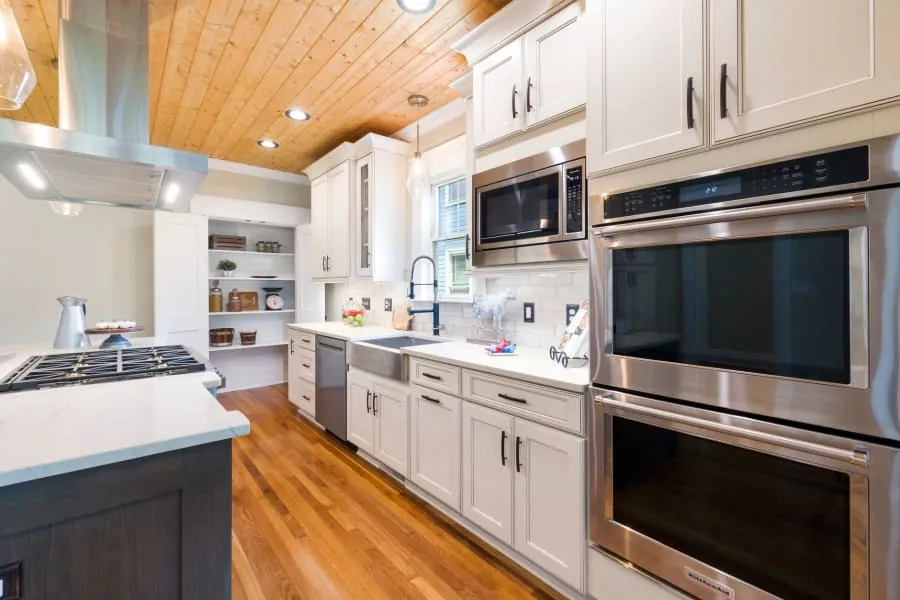
The themes below come up again and again, and Bath’s older housing amplifies several of them. Getting ahead of them is what separates a smooth renovation from a stressful one. A good kitchen renovation starts by anticipating these exact pitfalls rather than discovering them halfway through.
Starting Without a Proper Plan
The single most common mistake is diving in without a detailed plan. Vague ideas and decisions made on the fly lead to changes mid-build, and every change costs money and time. A proper scale plan - fixing the layout, the position of services, and the finishes - is where a good renovation begins.
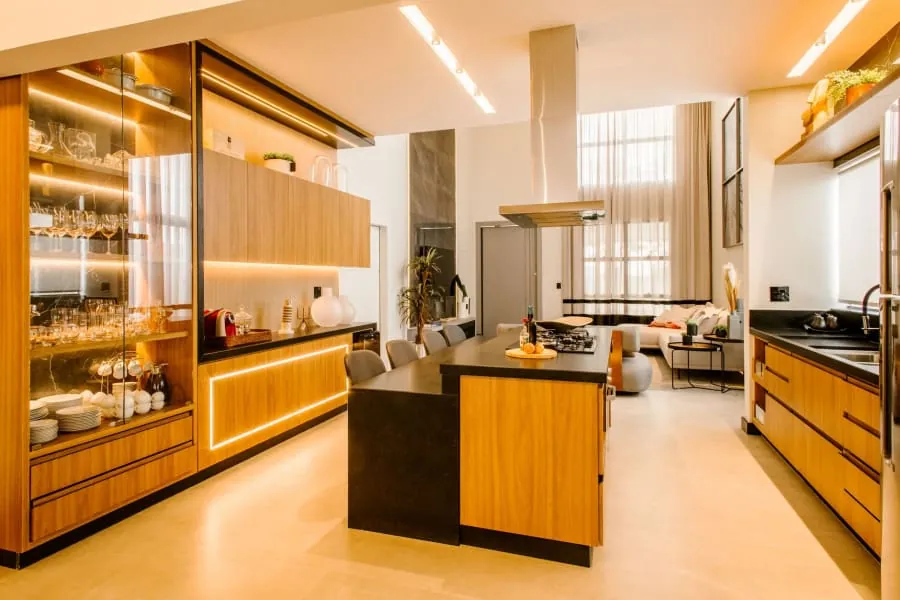
Planning matters double in a Bath period home, where walls are rarely square and what lies behind the plaster is often a surprise. Deciding everything on paper first means those surprises are managed, not stumbled into. Our guide to planning a kitchen layout walks through getting this right before any work starts.
Underestimating the Budget and Period-Home Prep
The second big mistake is budgeting for the pretty parts and forgetting the rest. People price up units and worktops but overlook installation, electrics, plumbing and finishing - and in an older home, the prep. Levelling a sloping floor, replastering a solid wall or updating old wiring all cost money that a units-only budget never accounted for.
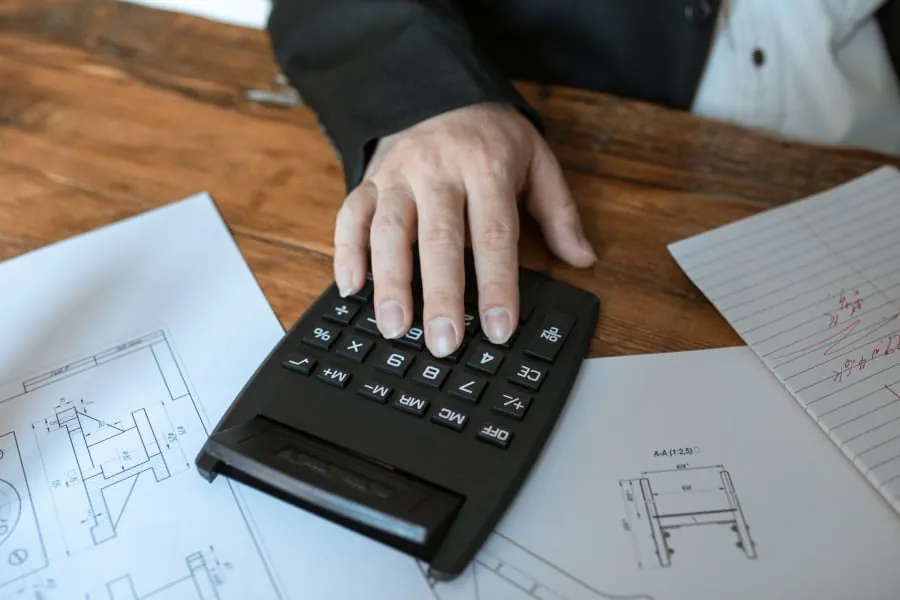
This is exactly why renovations overrun, as guides like Checkatrade point out. The fix is simple: get an itemised quote that includes prep, and hold a contingency of around 10 to 15 percent for the surprises older Bath homes tend to spring. Our guide to how much a new kitchen costs in Bath helps you budget realistically from the outset.
Getting the Layout Wrong
A kitchen can have beautiful units and still be a daily frustration if the layout is poor. Common errors include ignoring the work triangle between sink, hob and fridge, not leaving enough clearance between runs, and squeezing in an island the room cannot really take.
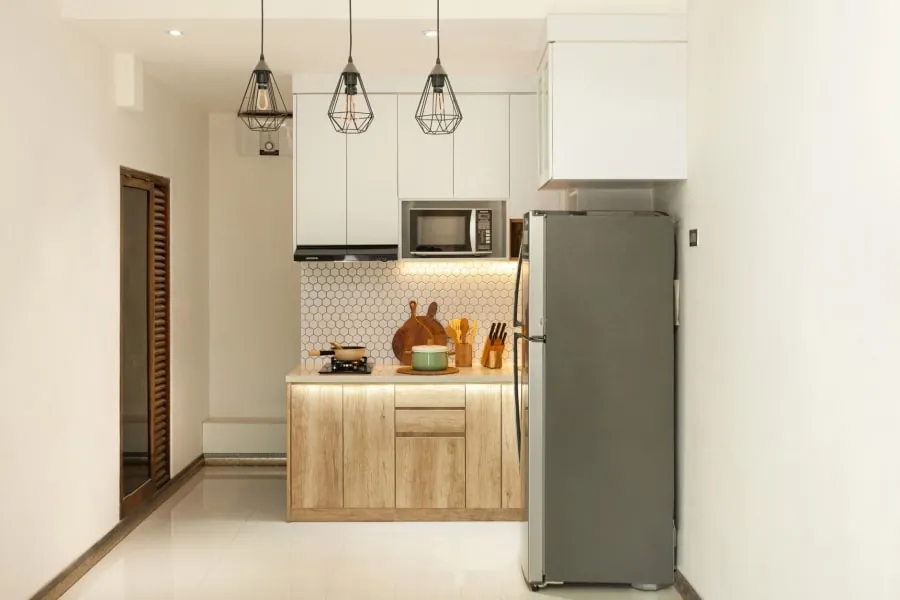
In a narrow Bath terrace, this is easy to get wrong and expensive to fix once units are fitted. Testing the layout on paper - and being honest about whether an island or a peninsula suits the space - avoids a kitchen that looks fine but is awkward to cook in. The Which? planning guides are a useful sense-check, and our kitchen island guide covers the clearances that matter.
Forgetting Storage
Lack of storage is one of the biggest regrets homeowners report after a renovation. Open shelving and ultra-minimal designs look great in photos but rarely hold everything a real kitchen needs, and running out of cupboard space is a daily annoyance you notice for years.

The answer is to plan storage around what you actually own and use - tall units, deep pan drawers, clever corner solutions and a place for the appliances that otherwise clutter the worktop. In a compact Bath kitchen, using height and awkward corners well is often the difference between cramped and comfortable. Bespoke storage earns its cost here more than almost anywhere.
Skimping on the Fit and Ignoring Hard Water
Trying to save money on the installation itself is a false economy, and it shows fastest in a period home. A cheap fit against Bath’s bowed, out-of-square walls leaves gaps, uneven doors and worktop joints that open up - the kind of flaws you see every day. Spend where it is hidden and permanent.
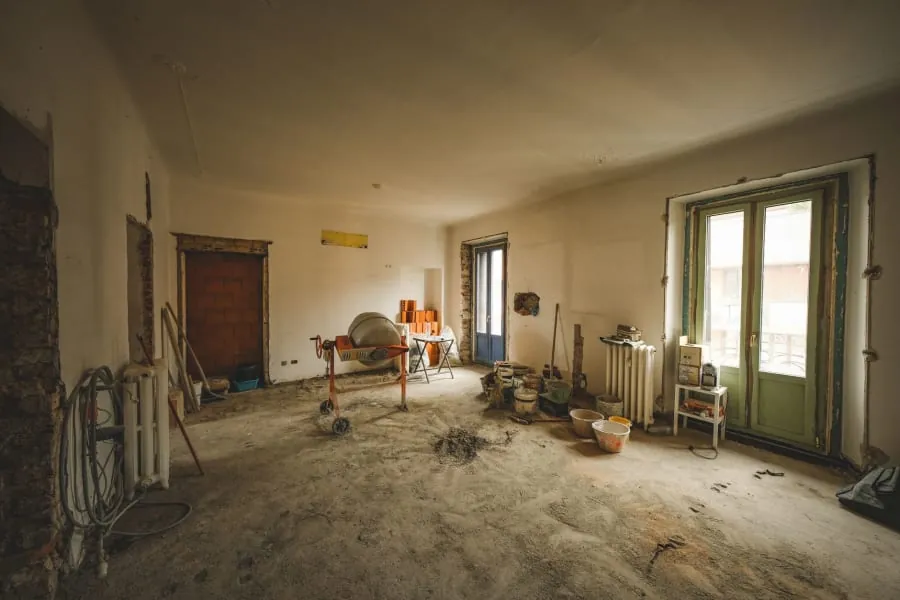
The Bath-specific oversight is water. The city’s very hard water scales up taps, boiling taps and appliances, so choosing low-quality fittings or ignoring a water softener means more maintenance and shorter appliance life. Factoring hard water into the choice of taps, sinks and appliances - as we cover in our guide to sinks and taps for Bath’s hard water - saves money and hassle later.
Overlooking Consent, Ventilation and the Local Rules
The final set of mistakes is uniquely local. Carrying out work on a listed building without consent is not just a planning slip in Bath - it can be a legal problem, and much of the city is a conservation area with extra controls. Always check with Bath and North East Somerset Council before altering a listed home, as we explain in our guide to renovating a listed or period property.
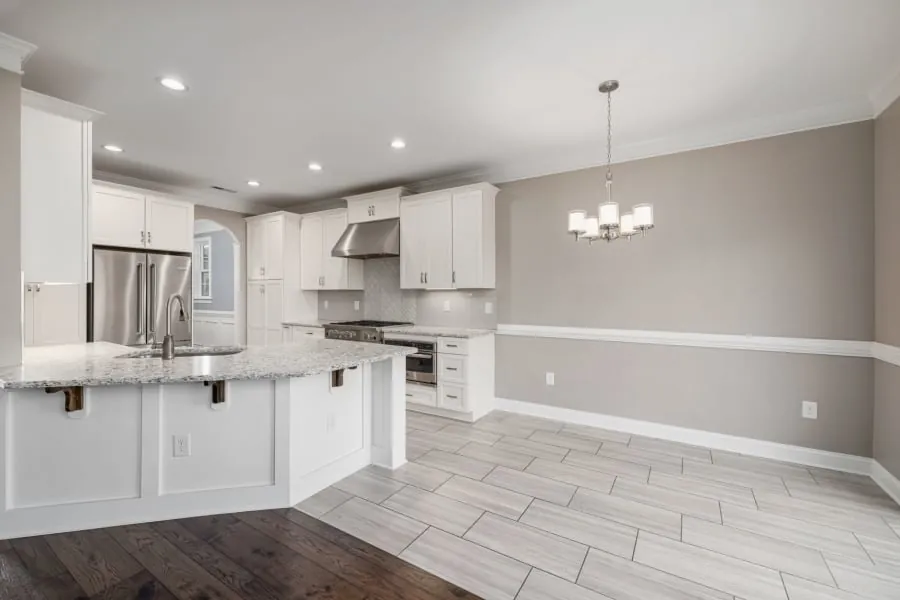
Two more that catch people out: skimping on ventilation, which leads to condensation and damp in Bath’s colder solid-walled homes, and choosing a fitter on price alone. Vet whoever you hire properly - insurance, local references and genuine period-home experience - as we set out in our guide to choosing a kitchen fitter in Bath. Avoid these and a Bath kitchen renovation is a pleasure rather than a gamble. If you would like it done right first time, get in touch for a free quote.
Frequently Asked Questions
What is the most common kitchen renovation mistake?
Starting without a proper, detailed plan. Vague ideas lead to changes mid-build, which cost time and money and often compromise the result. A scale plan that fixes the layout, the services and the finishes before work begins is the single best way to avoid nasty surprises - especially in a Bath period home, where what is behind the walls is rarely straightforward.
Why do kitchen renovations go over budget in Bath?
Usually because the prep work is underestimated. Bath’s period homes often need levelling, replastering of solid walls, and updates to old wiring and plumbing before fitting even starts, and those costs get missed when people budget only for units and worktops. Building in a contingency of around 10 to 15 percent covers the surprises that older homes tend to spring.
Do I need permission to renovate a kitchen in a listed Bath home?
If your home is listed, work that affects its character can need listed building consent, and much of Bath is also a conservation area with extra controls. A straightforward swap of units in a room with no historic features often does not, but you should always check with Bath and North East Somerset Council before starting. Skipping this is one of the more serious mistakes you can make here.
How do I avoid choosing the wrong kitchen fitter?
Do not hire on price alone. Check insurance and accreditation, ask to see recent local work, get an itemised written quote, and make sure the fitter has genuine experience with Bath’s period homes. The cheapest quote often leaves out prep or means a rushed job. A little vetting up front avoids the biggest and most expensive mistake of all.