
15 July 2026
Kitchen Flooring Options for Bath Homes
Kitchen flooring takes more punishment than any other surface in the house - dropped pans, spills, muddy boots, the fridge being dragged out twice a year. It also sets the tone of the whole room. In Bath, the choice comes with a local wrinkle: many homes are Georgian or Victorian with suspended timber subfloors that are rarely flat, and the winters are cool enough that underfloor heating is a common request. Get the flooring and the subfloor prep right and it will look good and stay put for years. Get it wrong and you will be looking at cracked grout or lifting boards within a season. Here is an honest run-through of the main options and how they suit a Bath kitchen.
Choosing Kitchen Flooring in Bath: What Matters
Before the look, think about the practical demands. A kitchen floor needs to cope with water, resist scratches and dents, feel comfortable underfoot and, ideally, be easy to clean. In a period Bath home you also have to factor in the subfloor - an uneven or bouncy base rules out some materials unless you prep it first.
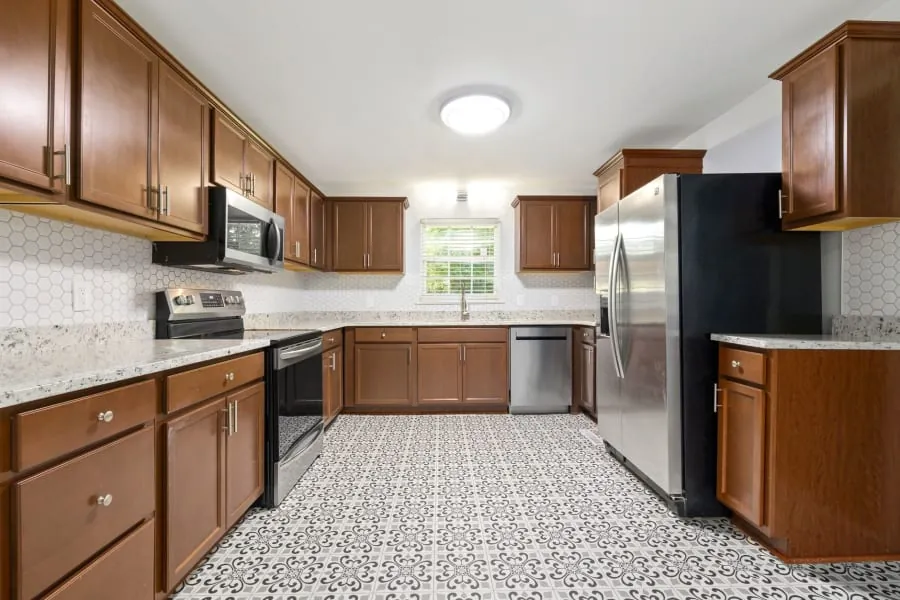
Budget matters too, and the range is wide. Checkatrade’s kitchen flooring buying guide is a useful overview of the trade-offs. As part of a full kitchen renovation, we plan the floor and the subfloor together, because the two decisions are really one.
Luxury Vinyl Tile (LVT): The Popular All-Rounder
LVT has become the default choice for UK kitchens, and for good reason. It is warm and quiet underfoot, genuinely water-resistant, and the rigid-core (SPC) versions shrug off scratches, dents and stains. Modern LVT mimics wood and stone convincingly, so you get the look without the maintenance.
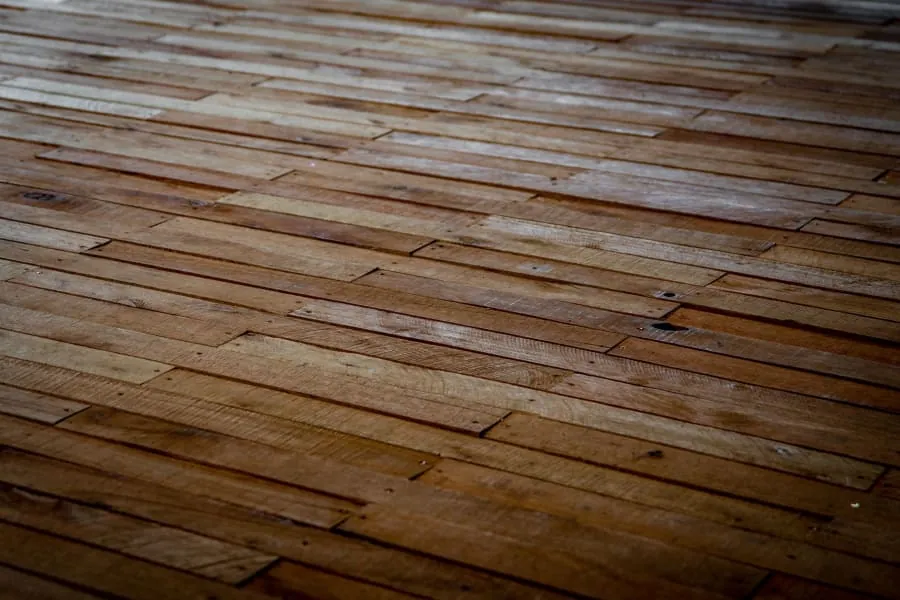
On cost, expect around £45 per square metre fitted, with budget ranges from about £15 and premium tiles up to £60, per Checkatrade’s LVT cost guide. A typical 12 square metre Bath kitchen in LVT with a bit of levelling lands around £1,800. It works with underfloor heating too, within a maximum surface temperature, which makes it a strong all-round pick for family kitchens.
Porcelain Tiles: The Most Durable Choice
If you want a floor that will outlast the kitchen itself, porcelain is hard to beat. It is denser and tougher than ceramic, glazed porcelain is completely impervious to water, and it takes heavy wear without complaint. In a busy Bath family kitchen that opens onto a garden, it is a sensible, low-drama choice.
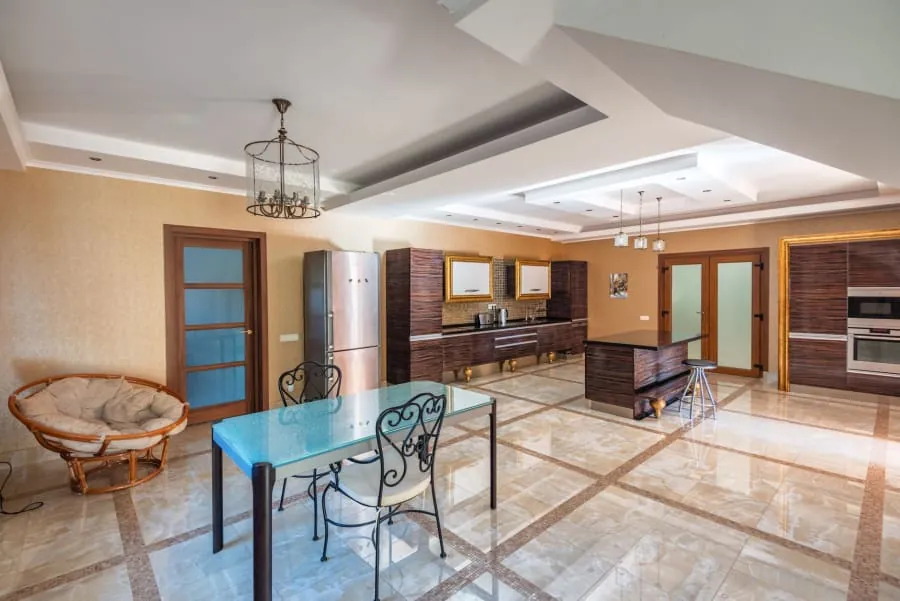
Standard tiles run roughly £10 to £40 per square metre, with premium ranges £50 to £100 or more, before fitting. Two things to plan for: porcelain is cold and hard underfoot, which is exactly why it pairs so well with underfloor heating, and it needs a stable, level base - a point that matters a lot in older Bath homes with timber floors. Laid on a solid, prepared subfloor, a porcelain floor is close to bulletproof.
Engineered Wood: Warmth With More Stability
For homeowners who want real wood, engineered board is the practical way to have it in a kitchen. Unlike solid timber, it is built in layers that resist the expansion and contraction that humidity causes, so it copes far better with the temperature and moisture swings of a working kitchen.
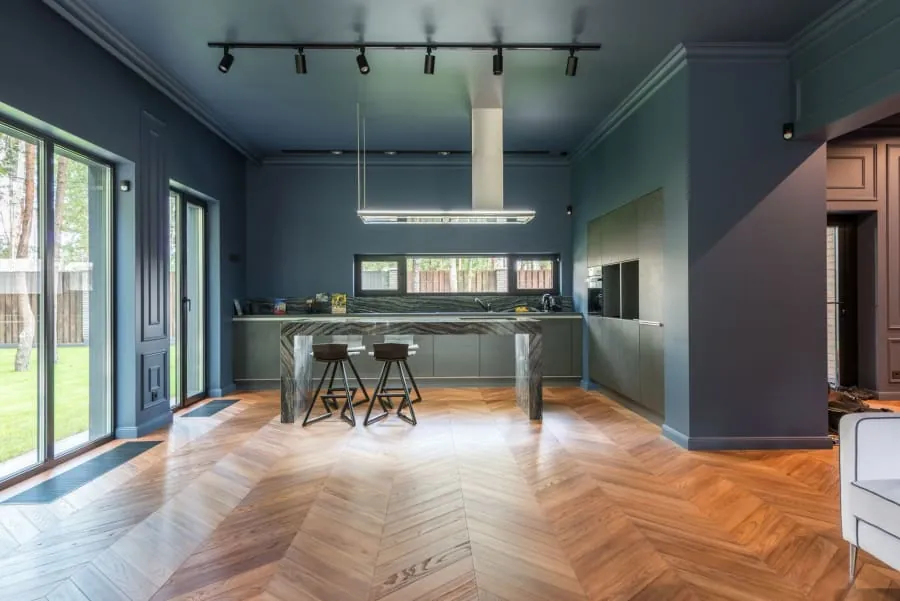
It brings a warmth that suits Bath’s period and traditional kitchens beautifully, and it can be sanded and refinished down the line. The watch-point is water: engineered wood is not fully waterproof, so spills need wiping promptly and it wants care around the sink and dishwasher. Looked after, it ages gracefully and adds real character to an older home.
Natural Stone: Character for Period Bath Homes
There is something right about natural stone in a Bath home - it echoes the Bath stone the city is built from. Limestone, slate and flagstones bring genuine character and a sense of permanence that manufactured floors cannot quite match, and they suit farmhouse and traditional kitchens especially well.
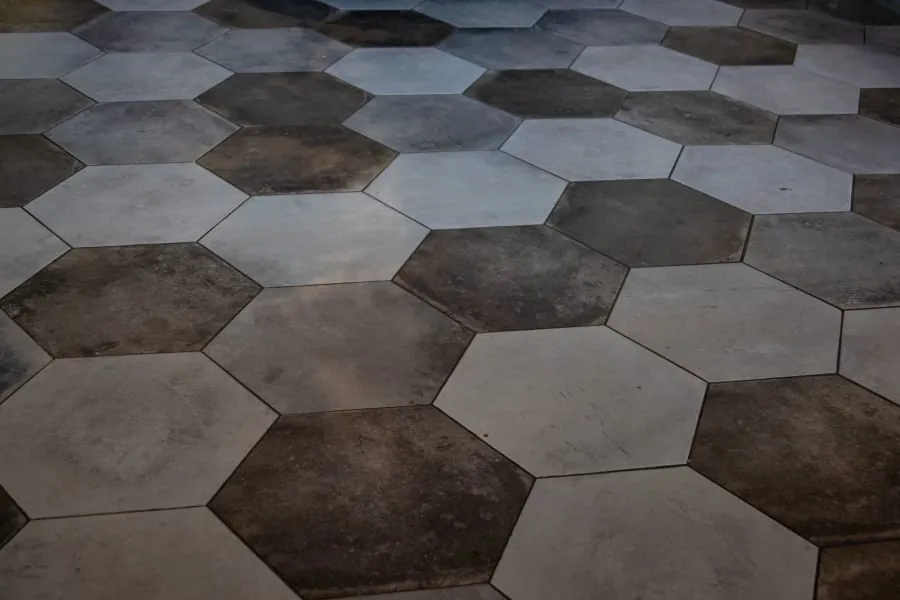
Stone is a premium option and it comes with upkeep: most natural stone is porous, so it needs sealing to resist stains, and in Bath’s hard-water area that sealing keeps mineral marks at bay too. It is heavy, so the subfloor has to be up to the load, and it is cold without heating beneath it. For the right period property, though, a stone floor is an investment that only looks better with age.
Underfloor Heating: What Works Underneath
Underfloor heating has moved from luxury to regular request, particularly in Bath’s cooler stone-built and period homes where radiators eat wall space you would rather use for units. It warms the room evenly from the floor up and frees the walls, which is a real bonus in a compact kitchen.
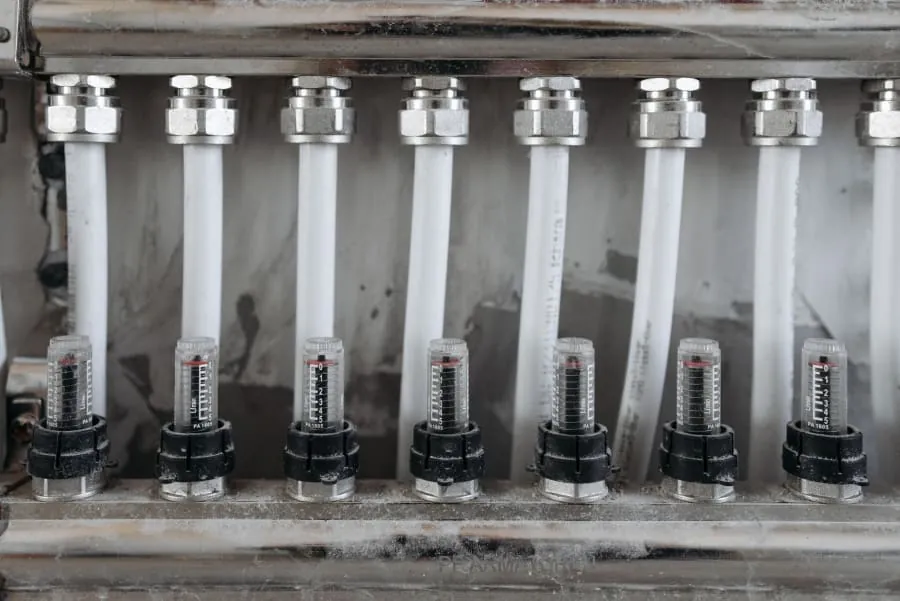
Not every floor is an equal partner, though. Porcelain and natural stone conduct heat best and are the ideal choices; LVT and engineered wood work well but have a surface-temperature limit, usually around 27C for vinyl, so the build-up has to be right. The Energy Saving Trust has good background on running costs and system types. We match the floor to the heating so you get warmth without warping.
Period Subfloors and Getting a Level Finish
This is the local detail that catches people out. Many Bath homes sit on suspended timber floors that flex and are rarely dead level, and some have solid floors that need to breathe to avoid trapping damp. Lay a rigid floor like tile or stone straight onto a base like that and you invite cracked grout and loose tiles.
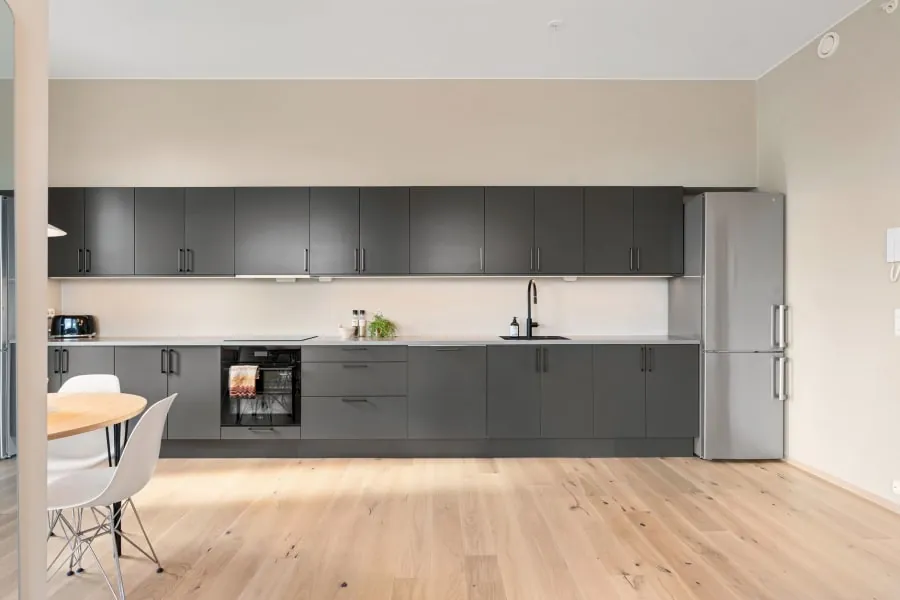
Proper prep - overboarding a timber floor, levelling compounds, or the right membrane where damp is a risk - is what makes a floor last, and it is often the hidden cost in an older home. It is the same principle as choosing the right worktop for a Bath kitchen: the material only performs if what sits under it is done properly. If you want a floor that suits your home and your subfloor, get in touch for a free quote and we will assess the base before we recommend the finish.
Frequently Asked Questions
What is the best flooring for a kitchen in Bath?
For most Bath kitchens, luxury vinyl tile (LVT) is the best all-rounder - it is warm underfoot, water-resistant, hard-wearing and good value. Porcelain tile is the most durable and pairs best with underfloor heating. Engineered wood suits period homes that want a real-wood look, and natural stone brings character to older properties. The right choice depends on your budget, how busy the kitchen is, and whether you are laying over an old suspended floor.
How much does kitchen flooring cost in 2026?
As a rough guide, LVT is around £45 per square metre fitted (budget from about £15, premium up to £60), laminate £20 to £60 per square metre, and tiles £10 to £40 per square metre for standard ranges, rising to £50 to £100 or more for premium. A typical 12 square metre kitchen in LVT with minor levelling comes to roughly £1,800; a fully prepared tiled floor can reach £2,800 or more.
Does underfloor heating work in a Bath kitchen?
Yes, and it is popular in Bath’s colder period homes. Porcelain and natural stone are the best partners for underfloor heating because they conduct heat well. LVT and engineered wood also work with it, but they have a maximum surface temperature - around 27C for most vinyl - so the system has to be set up correctly. We match the floor build-up to the heating so nothing lifts or overheats.
Can I put a new floor over my old kitchen floor?
Sometimes, but Bath’s older homes often have uneven or suspended timber subfloors that need levelling or boarding first. Laying a hard floor straight onto an unstable base is the fastest way to get cracked tiles or a bouncy finish. We always check the subfloor and prep it properly, because the base matters as much as the floor that goes on top.