
15 July 2026
Kitchen Sinks and Taps for Bath's Hard Water
Most articles about kitchen sinks and taps could have been written about anywhere. This one could not, because Bath has a problem that shapes the whole decision: very hard water. The supply here runs at around 300 mg/l of calcium carbonate, classed as very hard and well above the UK average of roughly 170, thanks to the limestone the region is built on. That means limescale builds up fast on taps, sinks and anything that heats water. Choose the right sink and tap and you spend less time scrubbing white crust off chrome; choose badly and you fight it forever. Here is how to pick both for a Bath kitchen, with the hard water front of mind.
Why Hard Water Changes Sink and Tap Choices in Bath
Hard water is not a health issue - it is a maintenance one. When it heats or evaporates, the dissolved calcium comes out as limescale, the chalky deposit you see around the base of a tap or inside the kettle. Wessex Water, which supplies Bath, is upfront about it, and their guide to hardness and limescale confirms the local supply sits firmly in the hard bracket.
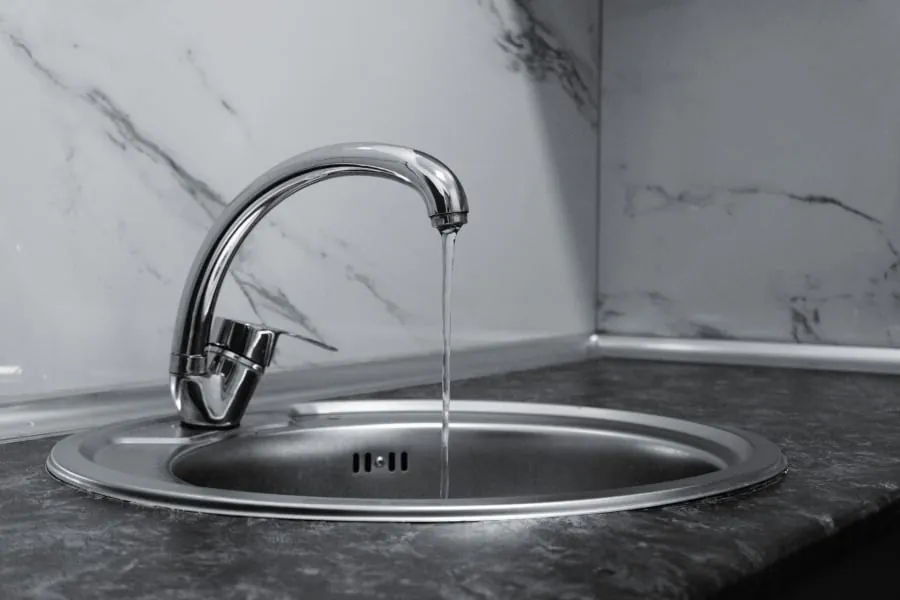
What that means in practice: shiny surfaces and intricate tap designs show scale quickly, and porous materials can pick up dull mineral marks over time. It is worth thinking about upkeep before looks. As part of a full kitchen renovation, we factor the water in from the start - down to where a softener or filter could go.
Ceramic and Belfast Sinks: Classic Looks, Some Upkeep
A ceramic or Belfast sink is a natural fit for Bath’s many period and traditional kitchens. Deep, wide and undeniably handsome, a fireclay Belfast sink suits a shaker or country kitchen beautifully and takes heavy daily use without fuss.
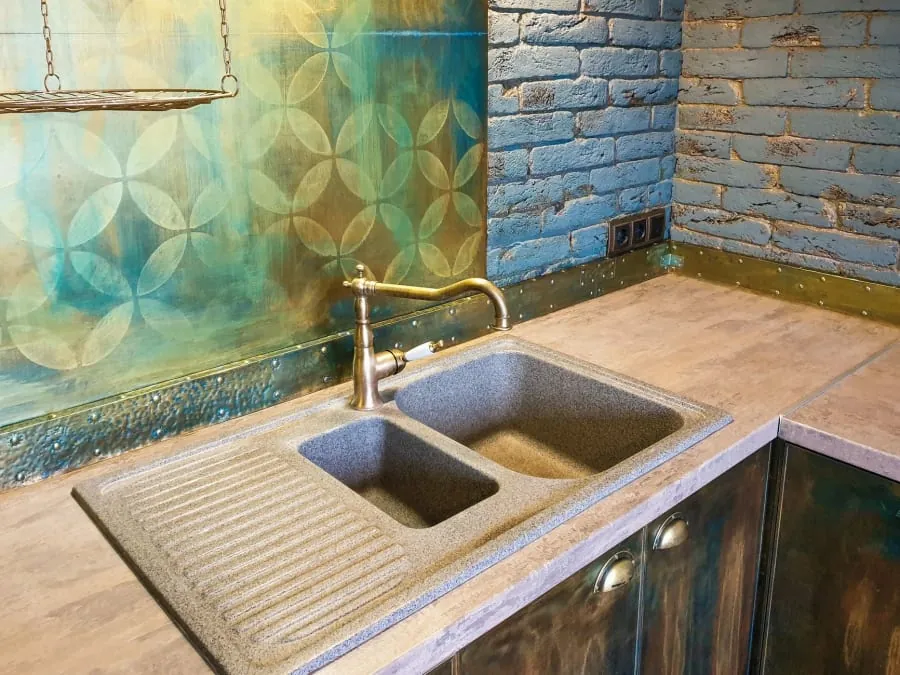
The trade-off in a hard-water area is upkeep. The glossy white glaze shows limescale and watermarks around the tap and drainer, so it wants a quick wipe after use to stay pristine. It is also heavy, which means the cabinet beneath has to be built to carry it. If you love the look and do not mind a cloth kept handy, ceramic rewards you. If low maintenance is the goal, read on.
Composite Sinks: The Practical Modern Favourite
For most Bath kitchens, a composite sink is the sweet spot. Made from granite or quartz mixed with resin, these sinks are non-porous, tough, and available in matt finishes and darker tones that disguise water marks far better than shiny surfaces - a real advantage where limescale is a daily reality.
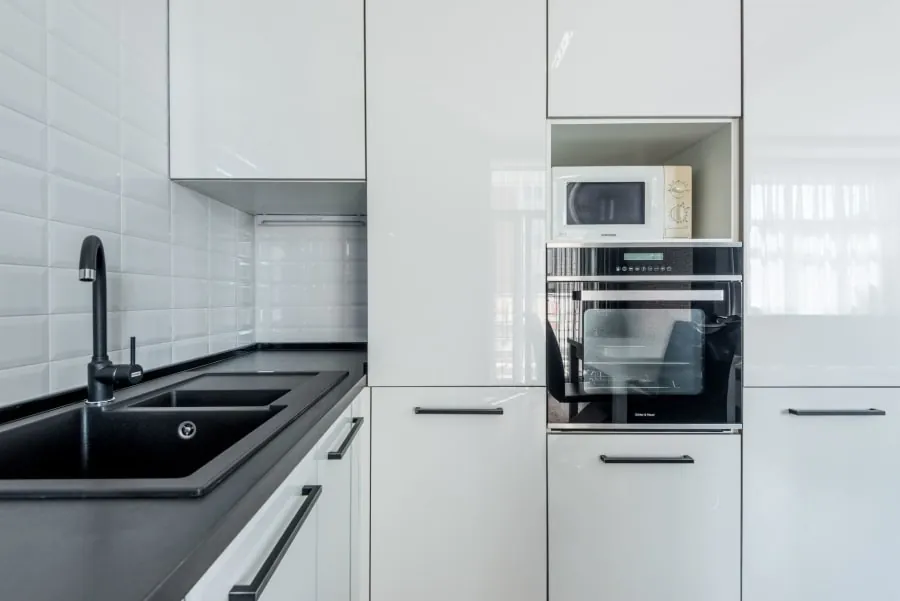
They resist heat, scratches and staining, and a mid-grey or graphite composite hides the odd unwiped splash in a way white ceramic simply cannot. They pair neatly with the composite and quartz worktops we cover in our guide to choosing the right worktop for a Bath kitchen. For a busy family kitchen in a hard-water city, this is usually where we steer people.
Stainless Steel: Hard-Wearing and Budget-Friendly
Stainless steel remains a sensible, affordable workhorse. It is hygienic, heat-resistant, recyclable and almost impossible to damage permanently, which is why it has been a kitchen staple for decades. On a tighter budget it is hard to argue with.
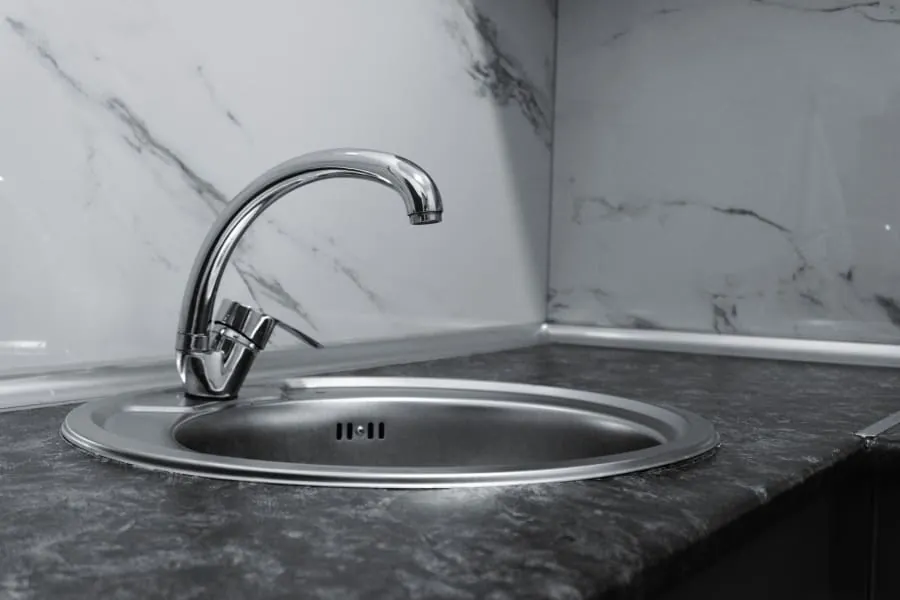
The one downside in Bath is that polished steel shows water spots and light scale readily, so it needs drying to look its best. A brushed or satin finish hides marks better than a mirror polish, and a good-gauge steel resists denting. It is not the most glamorous option, but for pure practicality per pound it takes some beating.
Kitchen Taps: Mixer, Pull-Out and Filtered
The tap is where hard water shows first, so the design matters. A single-lever mixer with a clean, simple shape is far easier to keep scale-free than an ornate traditional tap with lots of crevices. Pull-out spray taps add real flexibility for filling pans and rinsing the sink itself, which helps keep deposits from settling.
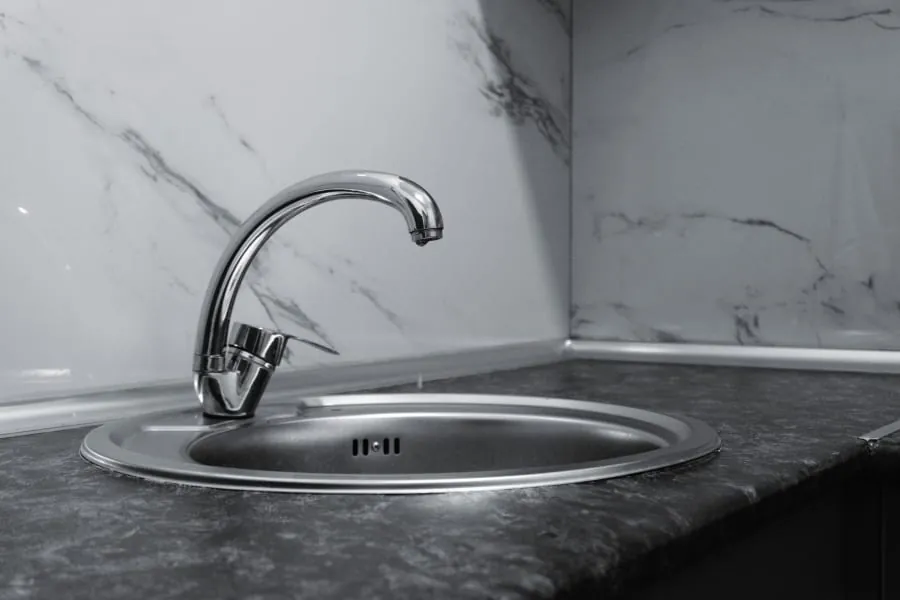
Finish counts too. Chrome is easy to clean but shows every watermark; brushed steel and matt black hide scale better between wipes. A separate filtered-water tap, or a filter built into the main tap, is popular locally for better-tasting drinking water without the limescale grit. Whatever the style, simpler shapes mean less scrubbing.
Boiling Water Taps: Worth It in a Hard-Water Area?
Instant boiling water taps have gone from luxury to common request, and they are genuinely useful - no kettle, hot water on demand, and a tidier worktop. The honest Bath caveat is hard water: the tap’s internal tank and filter scale up faster here, so maintenance is not optional.
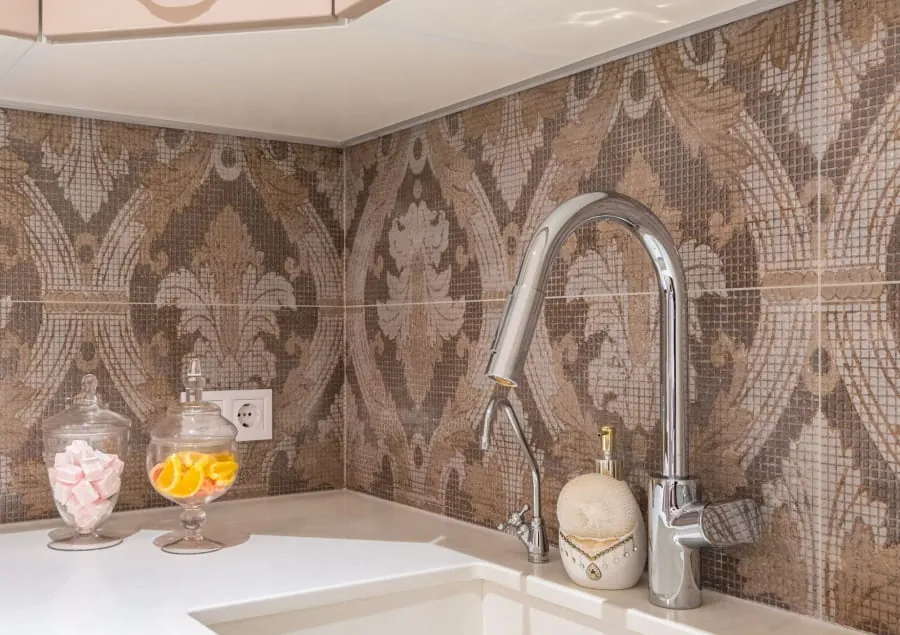
On cost, entry-level taps start around £250 and premium units run past £1,000, with installation on top, according to Checkatrade’s boiling water tap cost guide. Fitted with the right filter and descaled on schedule, they last well. The key is going in with eyes open: a boiling tap in Bath needs its filter changed more often than one in a soft-water region, and we set that up properly at installation.
Beating Limescale: Softeners, Filters and Care
The best way to protect a new sink, tap and appliances in Bath is to treat the water itself. A whole-house water softener removes the minerals that cause scale, which keeps taps gleaming, extends the life of dishwashers and washing machines, and makes cleaning noticeably easier. A kitchen renovation is the ideal time to plumb one in, because the pipework is already exposed.
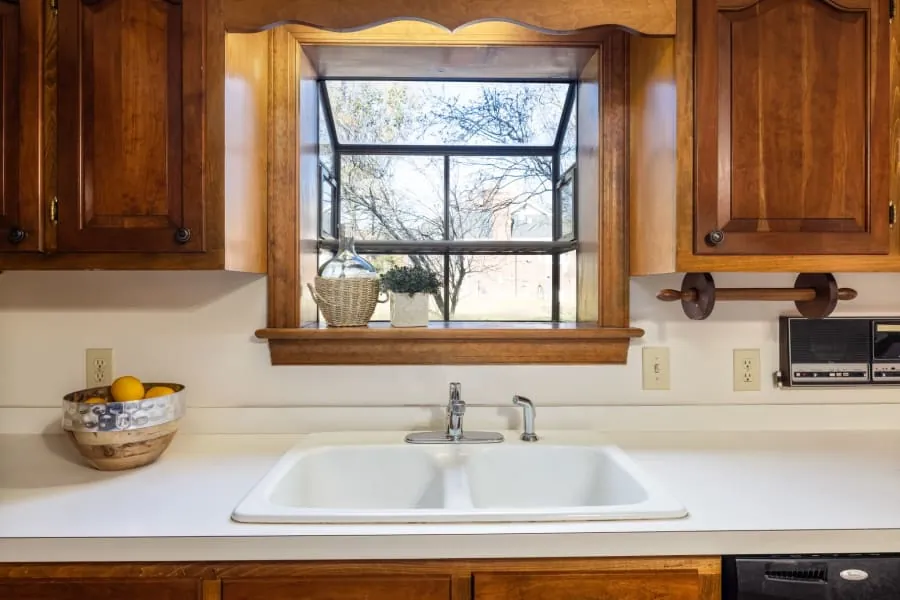
If a full softener is more than you want, a smaller inline filter on the drinking or boiling tap still helps, and simply wiping taps dry after use goes a long way. For a sense of how these choices sit in the wider budget, our guide to how much a new kitchen costs in Bath puts it in context. When you are planning your kitchen, get in touch for a free quote and we will design the sink, tap and water treatment around Bath’s water, not against it.
Frequently Asked Questions
Does Bath really have hard water?
Yes - very hard. Bath’s water measures around 300 mg/l of calcium carbonate, which is classed as very hard and well above the UK average of about 170. That is down to the limestone the region sits on, and it is why limescale builds up quickly on taps, kettles and around sinks. It is the single biggest thing to design around when choosing a sink and tap here.
What is the best sink material for hard water?
Composite (granite or quartz composite) is the most practical choice for Bath. It is non-porous, hides water marks well and resists the limescale staining that shows up fast on shinier surfaces. Stainless steel is hard-wearing and affordable but shows water spots, and ceramic looks lovely but needs more wiping to stay mark-free. We match the sink to how much upkeep you actually want to do.
Are boiling water taps worth it in Bath?
They are popular and genuinely handy, but hard water is the catch - the internal tank and filter scale up faster here, so you need to factor in filter changes and occasional descaling. Budget from around £250 for an entry tap, with premium units running past £1,000, plus installation. Fitted with a good filter and maintained, they work well; ignore the maintenance and they suffer.
Should I fit a water softener with my new kitchen?
Many Bath homeowners do, and it is easiest to plumb in during a kitchen renovation. A softener protects taps, appliances and boiling-tap filters from scale and makes cleaning easier. If a whole-house softener is not for you, an inline filter on a drinking tap or boiling tap is a smaller step that still helps. We can plan the pipework either way while the kitchen is open.