
15 July 2026
Kitchen Ventilation and Extractor Fans in Bath
Ventilation is the least glamorous part of a kitchen and one of the most important. Get it wrong and you live with steamed-up windows, lingering cooking smells and, over time, condensation and mould. In Bath that risk is higher than average, because so many homes are older, solid-walled and prone to damp, and thick stone walls make running a duct to the outside a real job rather than an afterthought. A good extractor, properly ducted, keeps a kitchen fresh and protects the fabric of an older home. Here is how kitchen ventilation works, the options, the rules, and the Bath-specific challenge of getting the air outside.
Why Kitchen Ventilation Matters
Every time you boil a pan or run the oven, you release moisture and grease into the air. Without somewhere to go, that moisture settles on cold surfaces - windows, walls, the corners of the room - and in a poorly ventilated kitchen it leads to condensation, peeling paint and eventually mould.
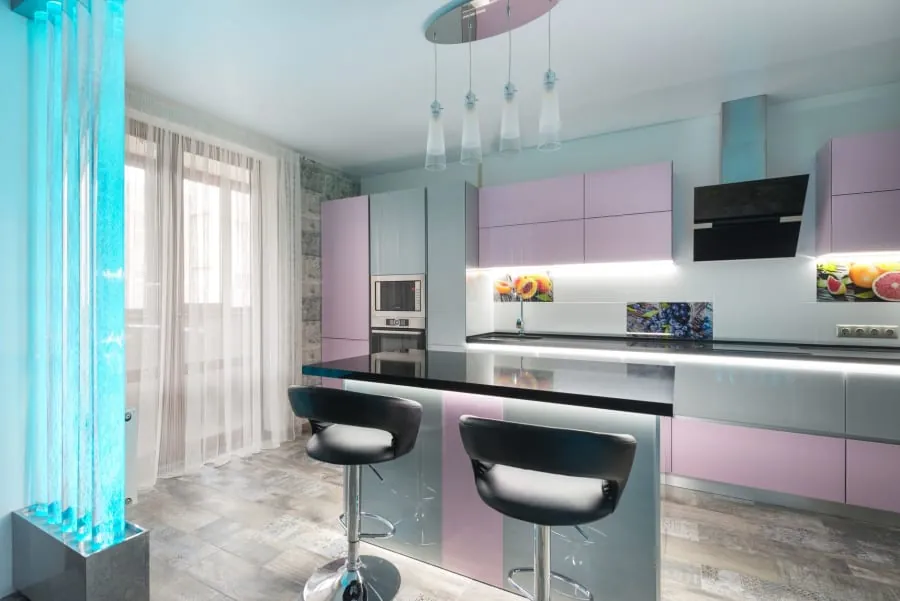
Bath’s older housing is especially vulnerable. Solid stone and brick walls with limited insulation run colder than a modern cavity wall, giving moisture more cold surfaces to condense on, and period homes were not built with modern cooking habits in mind. Good extraction is part of protecting the building, not just clearing the air, which is why we treat it as a core part of any kitchen renovation rather than a bolt-on.
Ducted vs Recirculating Extraction
There are two ways an extractor deals with the air it pulls in. A ducted system carries steam, grease and smells through a pipe to the outside and expels them completely. A recirculating system passes the air through a grease and charcoal filter and returns it to the room. The difference matters.
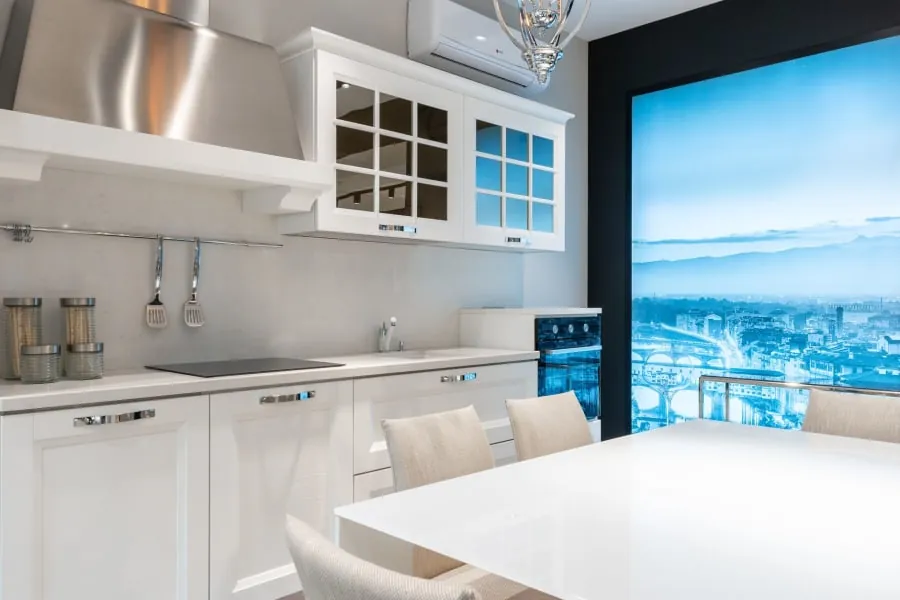
Ducted is far more effective at removing moisture, which is exactly what an older Bath home needs to fight condensation. Recirculating is easier to fit where running a duct is difficult, but it does little for humidity. It is also worth knowing that a recirculating hood on its own does not count as extract ventilation under the Building Regulations, so a new build or a big refurbishment under Building Control may still need a ducted fan. Where we can duct, we usually recommend it.
Cooker Hoods and Chimney Hoods
The most common extractor is a hood mounted over the hob. Chimney hoods, which rise up the wall in a tapered stack, are the familiar choice for a hob against a wall and come in stainless steel, glass and painted finishes to suit any style of kitchen.

Integrated and canopy hoods hide inside a cabinet for a cleaner look, which suits the handleless and minimal kitchens some Bath homeowners prefer. Whatever the style, size it to the hob - the hood should be at least as wide as the hob below it - and check the extraction rate suits the room. A hood that looks good but under-performs is a common and avoidable mistake.
Island and Downdraft Extractors
If your hob sits in an island, a standard wall hood is not an option, and this is where planning matters most. A ceiling or island hood hangs above the island as a feature, while a downdraft extractor rises up from behind the hob and pulls steam downwards, disappearing when not in use.
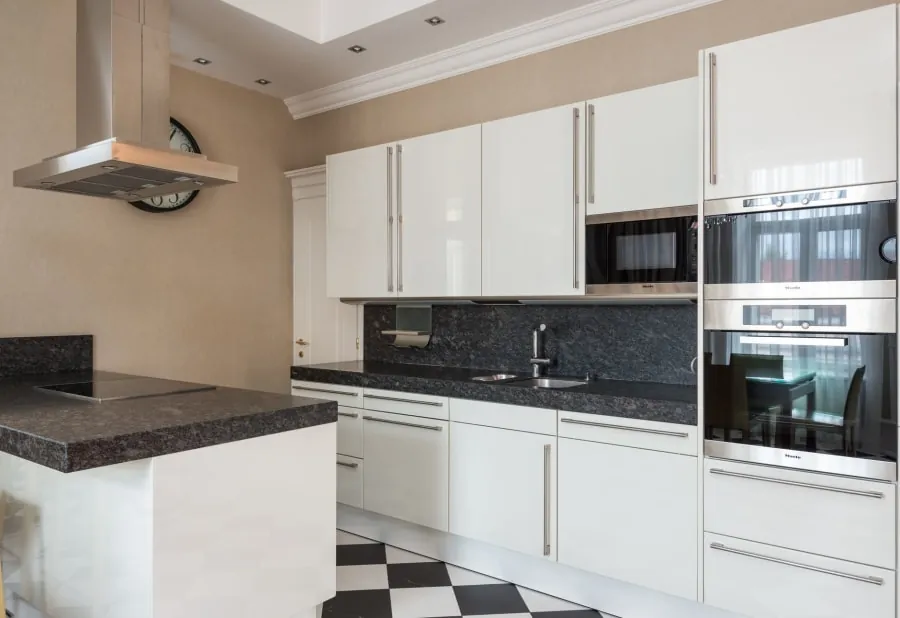
Both usually need ducting run through the floor or ceiling to reach an outside wall, which takes thought in a period home with a suspended timber floor. Downdraft units in particular are powerful but demand a clear duct route, so they are best planned before the island is built, not retrofitted. If you are considering an island hob, get the extraction designed at the same time as the layout.
Building Regulations: Part F and Kitchen Extraction
Kitchen ventilation is covered by Part F of the Building Regulations, which sets out the ventilation a home needs. In a kitchen that means adequate extract ventilation to remove the moisture and pollutants cooking produces - usually an extractor over the hob or a dedicated extract fan.
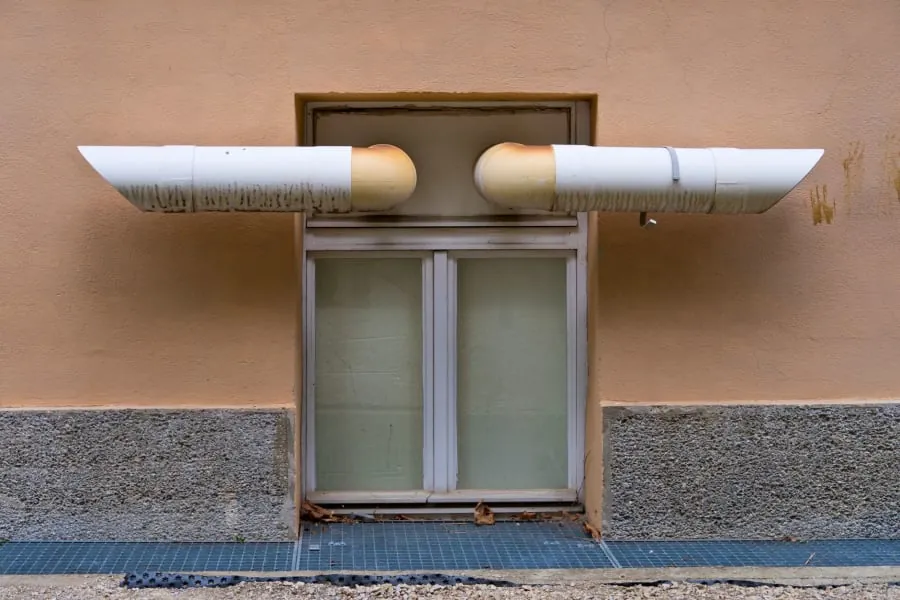
The practical takeaway is the one from earlier: a recirculating hood alone does not satisfy the extract requirement, so for a new build or a significant refurbishment signed off by Building Control you may need a ducted fan or hood as well. It is the sort of detail that catches people out after the event, so it is far better designed in from the start. We factor the regulations into the plan so the finished kitchen is compliant, not just good-looking.
Venting Through Bath’s Stone Walls and Period Homes
Here is the challenge that makes Bath different. Many of the city’s period homes have solid stone walls, sometimes up to 600mm thick, so ducting to the outside means core-drilling through masonry and fitting a proper external grille or cowl - a world away from popping a vent through a modern cavity wall.
There is a heritage dimension too. On a listed building or in a conservation area, the position and appearance of an external vent can need consent, because it affects the look of the building - something we cover in our guide to renovating a listed or period property in Bath. The route the duct takes needs planning around joists, stone and sightlines. It is very doable, but it is a job for someone who has drilled a Bath wall before, not a first-timer.
Choosing and Fitting the Right Extractor
Match the extractor to the kitchen and the cooking you do. Extraction rate, noise level, filter type and the duct route all matter, and the quietest, most powerful hood is wasted if the ducting is undersized or too long. Getting the whole system right beats buying an expensive unit and fitting it badly.

On cost, an extractor unit averages around £60 with labour of roughly £180, so a straightforward replacement is around £200 and a new installation around £300, according to Checkatrade’s extractor fan cost guide - though ducting through solid Bath stone adds to that. As part of a full kitchen fit, we design the extraction, the duct route and any external vent together. If you want ventilation that actually keeps your kitchen fresh, get in touch for a free quote.
Frequently Asked Questions
Do I legally need an extractor fan in my Bath kitchen?
Under Part F of the Building Regulations, kitchens need adequate extract ventilation - typically an extractor over the hob or a dedicated extract fan - to remove steam and cooking moisture. It is worth knowing that a recirculating cooker hood on its own does not count as extract ventilation for Building Regulations purposes, so a new-build or a significant refurbishment under Building Control may still need a ducted fan or hood.
Ducted or recirculating extractor - which is better?
Ducted is more effective because it carries steam, grease and smells outside completely. Recirculating filters the air and returns it to the room, which is easier to fit where ducting is hard to run but does not remove moisture as well. In Bath’s older, damp-prone homes, ducted is usually the better choice for controlling condensation - but venting through a thick stone wall takes planning.
Can you vent an extractor through a Bath-stone wall?
Yes, but it needs care. Bath’s period homes often have solid stone walls up to 600mm thick, so venting means core-drilling through masonry and fitting a proper external grille or cowl. On a listed building or in a conservation area, the position and look of that external vent can need consent. We assess the wall and the route before committing to a ducted design.
How much does it cost to fit a kitchen extractor?
As a rough guide, an extractor fan unit averages around £60 with labour of about £180, so a straightforward replacement is around £200 and a new installation around £300. A ducted cooker hood run through a solid Bath-stone wall costs more because of the core-drilling and making good involved. We price the ducting route as part of the kitchen plan.