
15 July 2026
Shaker vs Handleless Kitchens for Bath Homes
Once you have settled on a new kitchen, one of the first real decisions is the door style, and for most Bath homeowners it comes down to two: shaker or handleless. They are the two most popular looks in the UK, and they pull in opposite directions - one traditional and warm, the other sleek and modern. The right choice depends partly on taste and partly on your house, and Bath has a lot of houses with strong opinions of their own. In a city where so many homes are Georgian or Victorian, the style that suits a period townhouse is not always the one that suits a modern flat. Here is an honest look at both, and how to pick for your home.
Two Kitchen Styles, Two Different Looks
Shaker and handleless are not just about handles - they set the entire character of the room. Shaker is classic, framed and timeless. Handleless is minimal, flat and contemporary. Everything else, from worktops to lighting, tends to follow the lead the doors set.
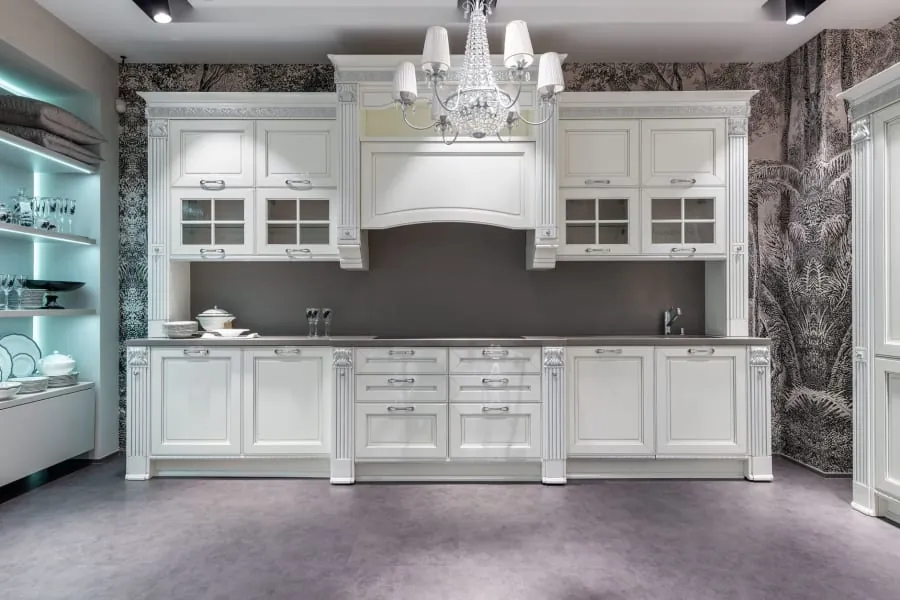
Neither is better in the abstract - they are just suited to different homes and tastes. The trick is matching the style to the property and how you live, rather than picking whatever is on trend this year. Whichever way you lean, our kitchen installation service fits both to the same high standard, scribed properly to Bath’s rarely-straight walls.
What Is a Shaker Kitchen?
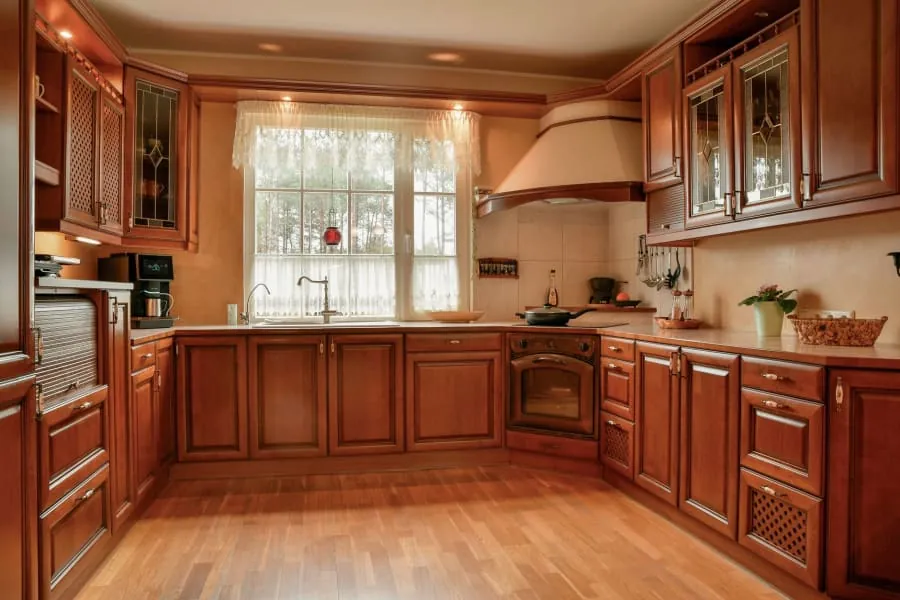
A shaker door is defined by its five-piece construction: a flat centre panel set inside a square frame. It is simple, well-proportioned and has been popular for over a century because it never really dates. That framed detail gives a kitchen depth and a handcrafted feel.
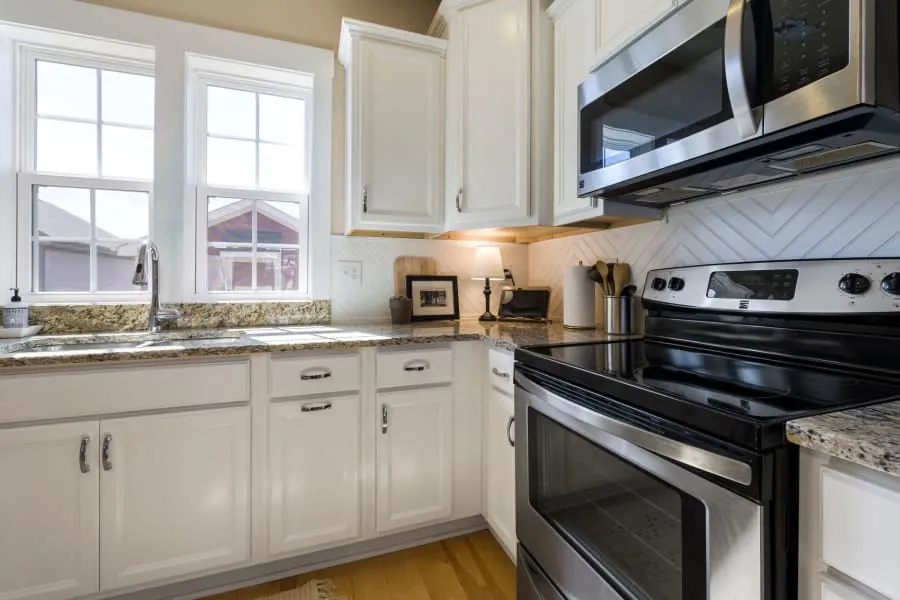
Shaker also takes colour beautifully, which is a big part of its appeal right now - deep greens, soft blues, warm off-whites and muted greys all look at home on a shaker door. You choose the handles too, from simple knobs to long bar pulls, so you can tune it more traditional or more contemporary. It is the most popular and most affordable of the two styles, and it is the one we fit most often across Bath.
What Is a Handleless Kitchen?
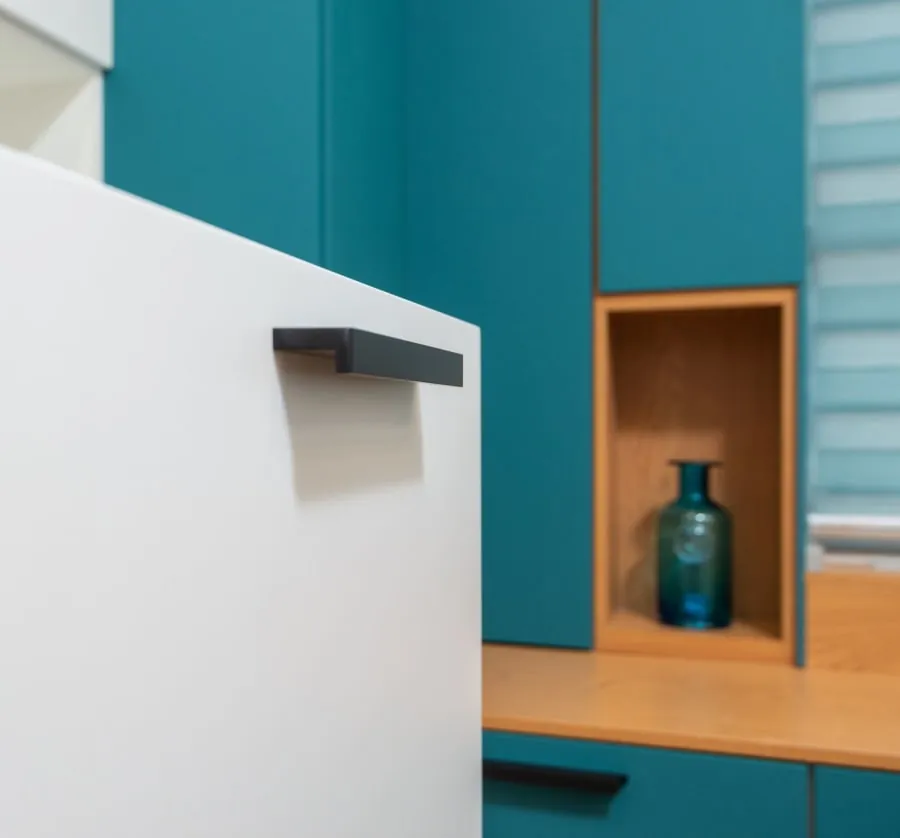
A handleless kitchen does exactly what the name says: the doors have no visible handles. Instead you open them either through a routed grip cut into the door edge, or via an aluminium J-shaped rail (a Gola profile) recessed between the units. The result is a flat, uninterrupted run of cabinetry with clean horizontal lines.
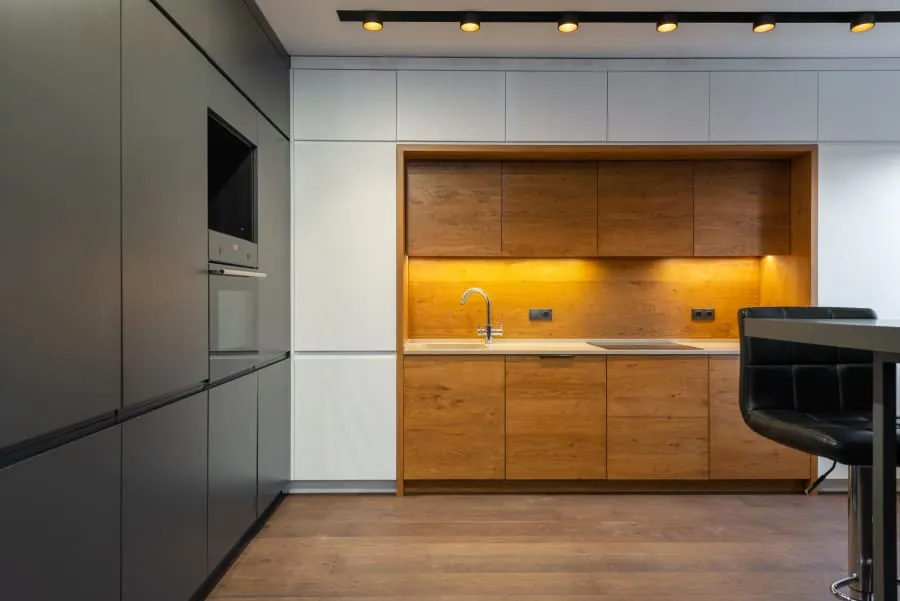
It looks striking, especially in gloss or matt slab doors, and it suits minimal, modern interiors down to the ground. With nothing to snag on, it also feels very easy to move around - a genuine plus in a busy kitchen. The style leans contemporary, so it is worth thinking about whether it fits your home before you commit, which is exactly where Bath’s mix of properties comes in.
Which Suits a Period Bath Home?
For the Georgian and Victorian homes that fill so much of Bath, shaker is usually the natural fit. Its framed detailing echoes the panelled doors, cornicing and sash windows of a period property, so the kitchen feels like it belongs rather than fighting the house around it.
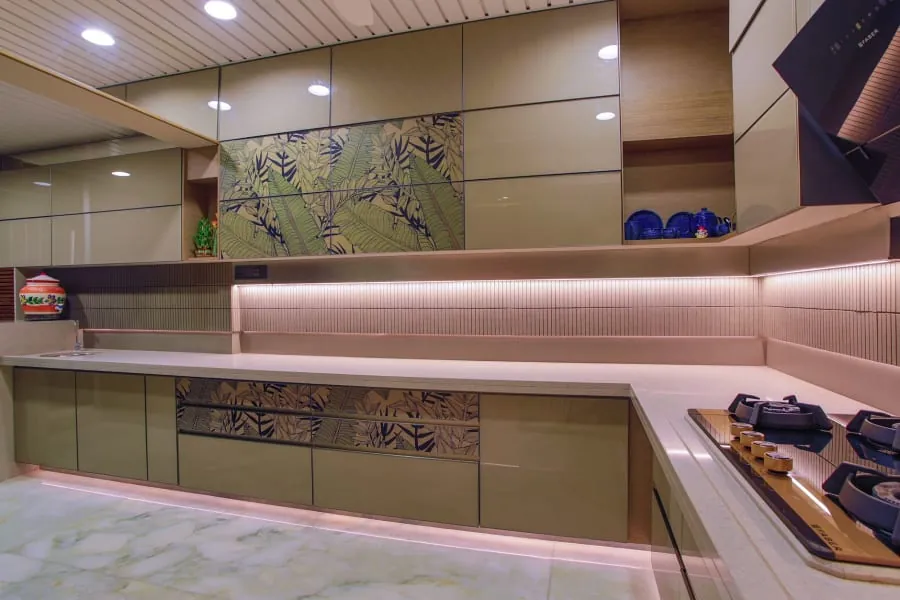
A painted shaker in a heritage colour, paired with a timber or stone worktop, is close to a default choice for a period Bath kitchen for good reason - it just works. That is not a hard rule, though. Plenty of period homes carry a muted handleless design well, giving a clean modern contrast against original features. If your home is listed, remember that the units themselves are usually fine, but any structural or fabric changes may need consent, which we cover in our guide to renovating a listed or period property in Bath.
Which Suits a Modern or Open-Plan Bath Home?
In a modern flat, a new-build, or a knocked-through open-plan space, handleless comes into its own. The flat, unbroken lines suit contemporary architecture and make a smaller space feel calmer and less cluttered, because there is simply less visual detail competing for attention.
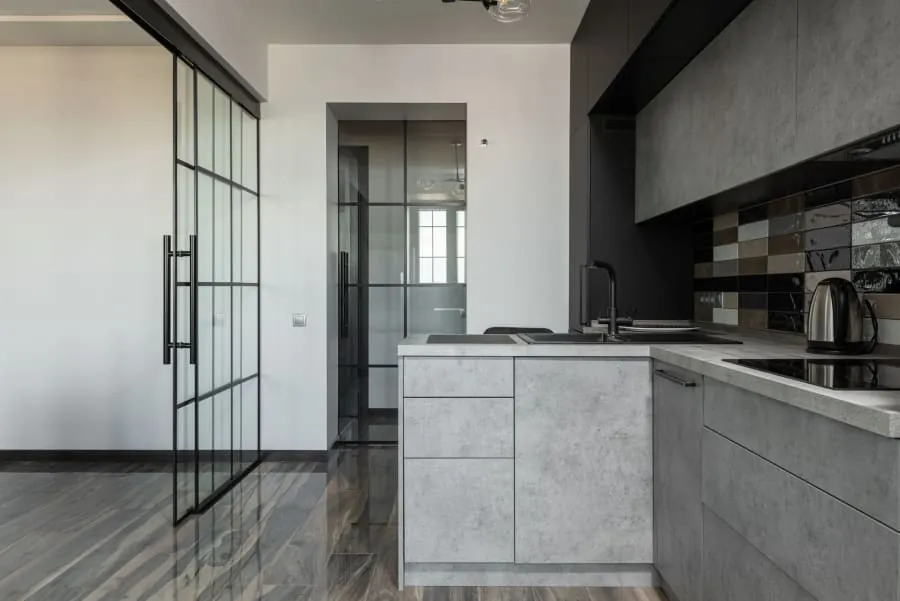
Handleless also pairs naturally with the integrated appliances and minimal styling that open-plan living tends to want, where the kitchen sits on show as part of the living space. If you have opened up the back of a Bath home into a kitchen-diner, a handleless run can help it read as one continuous space rather than a kitchen bolted onto a lounge. Our guide to open-plan kitchen-diner ideas for Bath homes goes into that in more depth.
Cost and Practicality Compared
On price, shaker generally has the edge. Handleless kitchens usually cost a little more because the grip profiles or Gola rails add components and demand more precise manufacturing and fitting. The gap is not dramatic, but across a full kitchen it adds up, and shaker remains the more budget-friendly of the two.
Cabinets are the biggest single cost in most kitchens either way, as the guides from Which? and Checkatrade show, so the style you choose moves the overall number. On upkeep, there is little in it: handleless has no handles to clean around but the grip channels catch crumbs and, in hard-water Bath, want a wipe; shaker’s recessed panel gathers a little dust. Both are easy to live with.
How to Choose, and Mix, for Your Home
Start with the house, then your taste, then the budget. A period Bath home usually points to shaker; a modern or open-plan space suits handleless; and if you love one style in a home that leans the other way, a muted colour or the right worktop can bridge the gap.
You do not have to pick just one, either. Shaker on the main run with handleless on the island, or handleless base units under a shaker dresser, can give you the best of both. The worktop choice matters here too, which we cover in our guide to choosing the right worktop for a Bath kitchen. If you would like help deciding what suits your home, get in touch for a free quote and we will bring samples and talk it through in the room itself.
Frequently Asked Questions
Is a shaker or handleless kitchen better for a period Bath home?
For a Georgian or Victorian Bath home, shaker usually wins. Its framed door and traditional detailing sit naturally alongside period features like cornicing and sash windows, and it takes paint colours beautifully. Handleless looks its best in modern or open-plan spaces. That said, a handleless design in a muted colour can work in a period home if you want a cleaner, more contemporary feel - it comes down to the look you are after.
Are handleless kitchens more expensive than shaker?
Usually a little, yes. A true handleless kitchen needs either a routed grip profile or an aluminium rail (a Gola system) built into every cabinet, plus more precise manufacturing and fitting, so it tends to cost slightly more than a comparable shaker. The difference is not huge, and shaker remains the most popular and affordable style, but it is worth knowing when you budget.
Which style is easier to keep clean?
Handleless has no handles to wipe around or catch tea towels on, which some people prefer. But the recessed grip rails can collect crumbs and, in Bath’s hard-water area, need a wipe to stop grime building in the channel. Shaker doors have a recessed centre panel that catches a little dust. Both are easy to live with - neither is a dealbreaker.
Can I mix shaker and handleless in one kitchen?
Yes, and it can look great. A common approach is shaker on the main run for warmth and character, with handleless on an island or tall units for a cleaner line. In a period Bath home this lets you keep a traditional feel where it matters while adding a modern touch. We help you blend the two so it looks deliberate rather than mismatched.